
Our Partners & Collaborators
Wildlife Emergency Fund
Marataba Game Reserve
Babanango Game Reserve
Conservation Outcomes
Conservation Solutions
Elephant Bulls Translocated: Marataba to Babanango
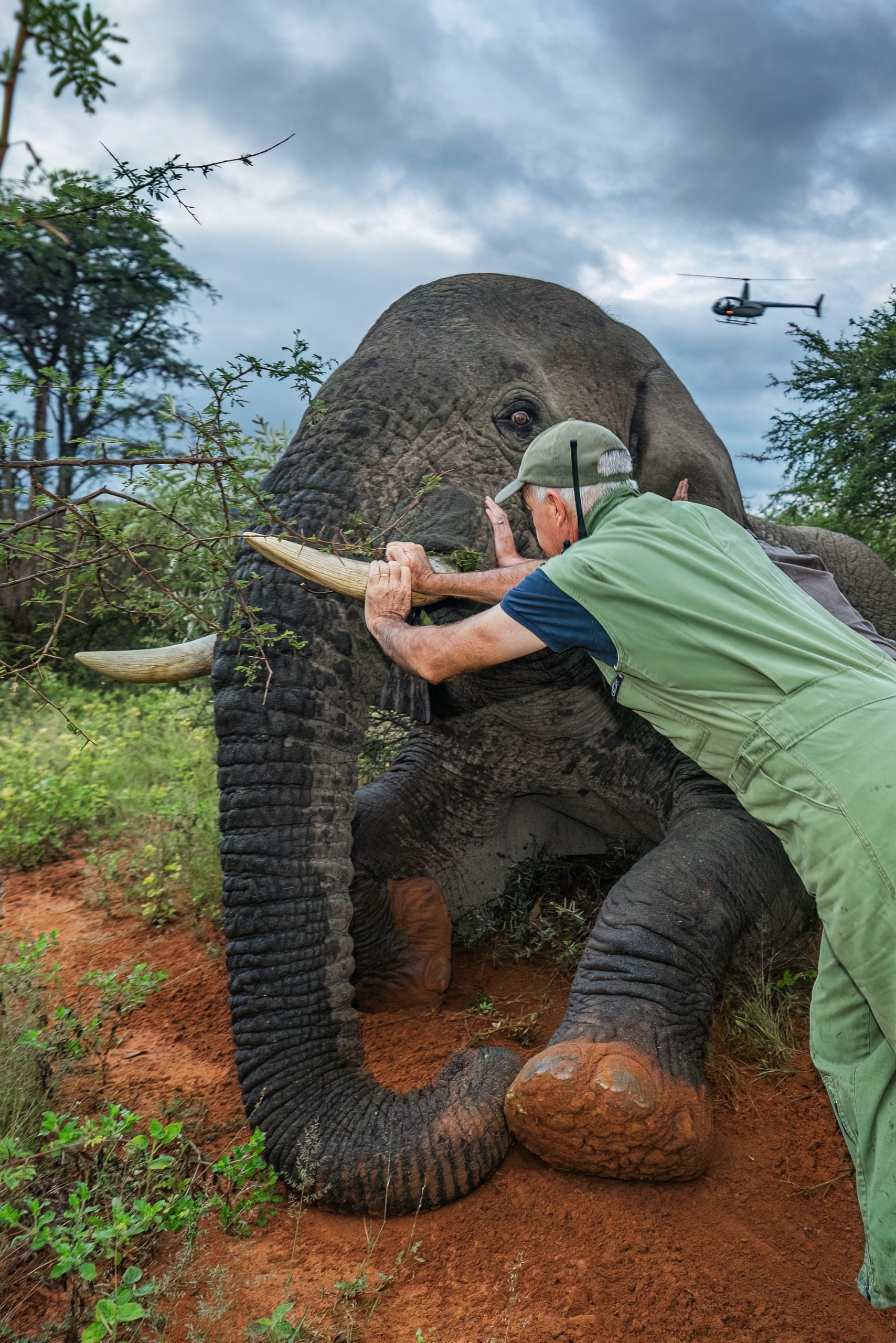
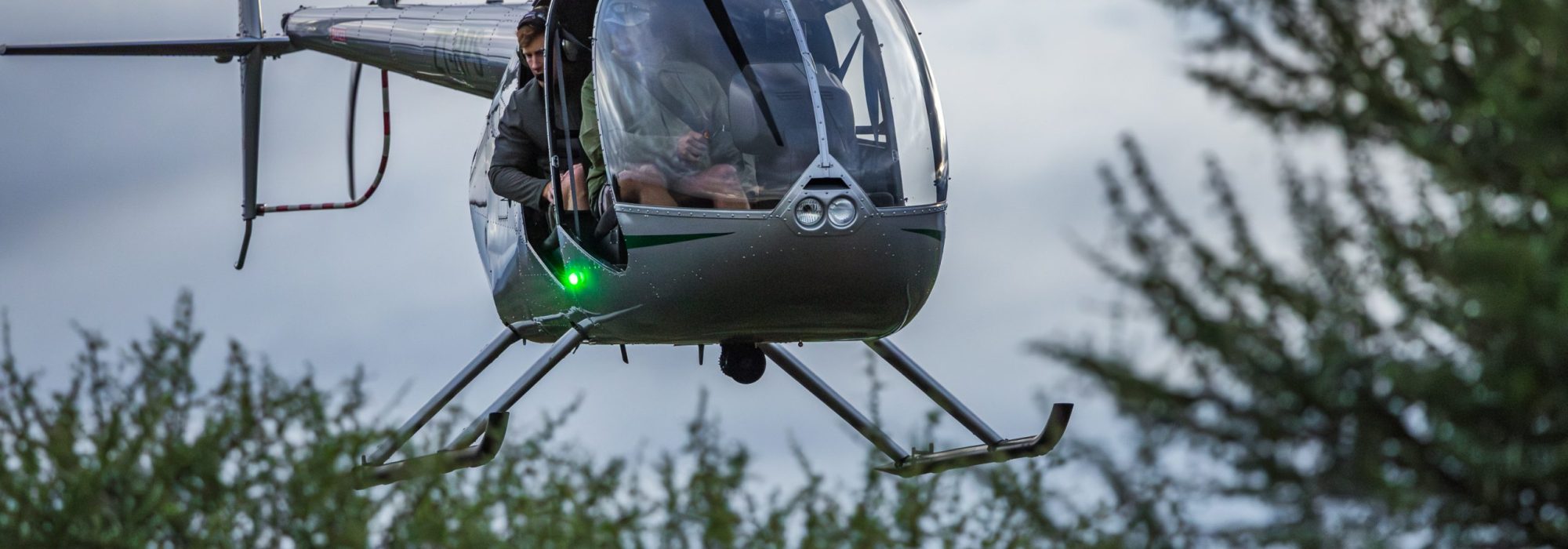
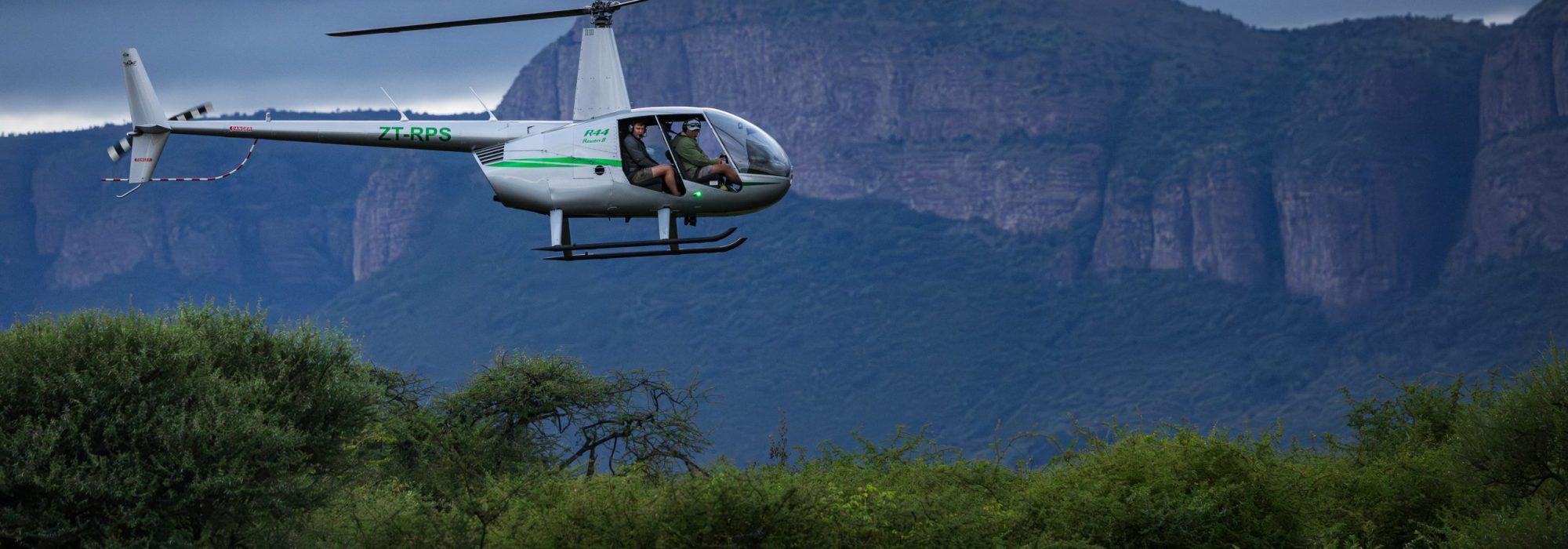
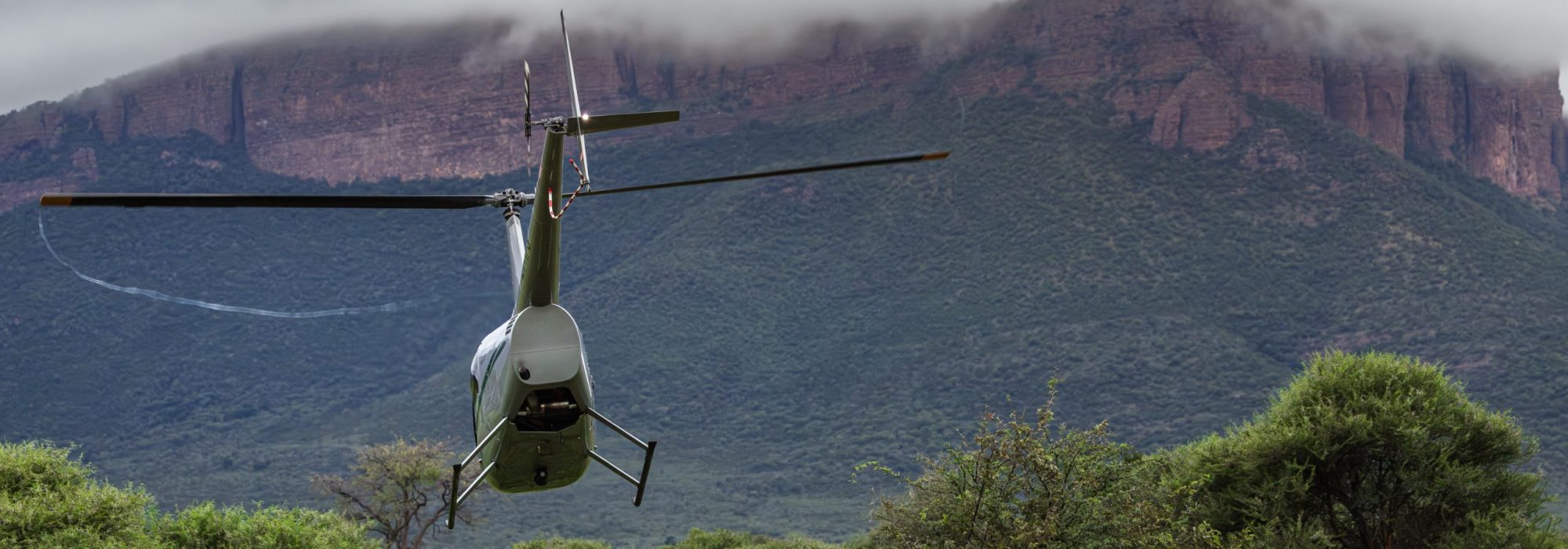
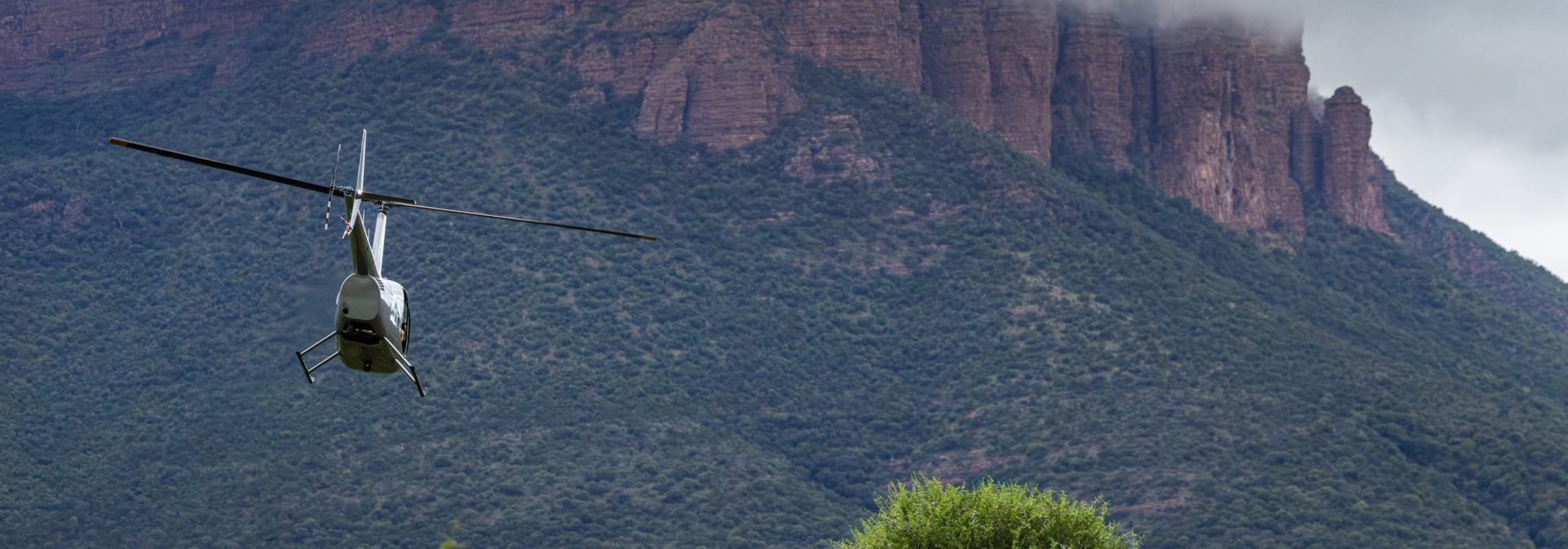
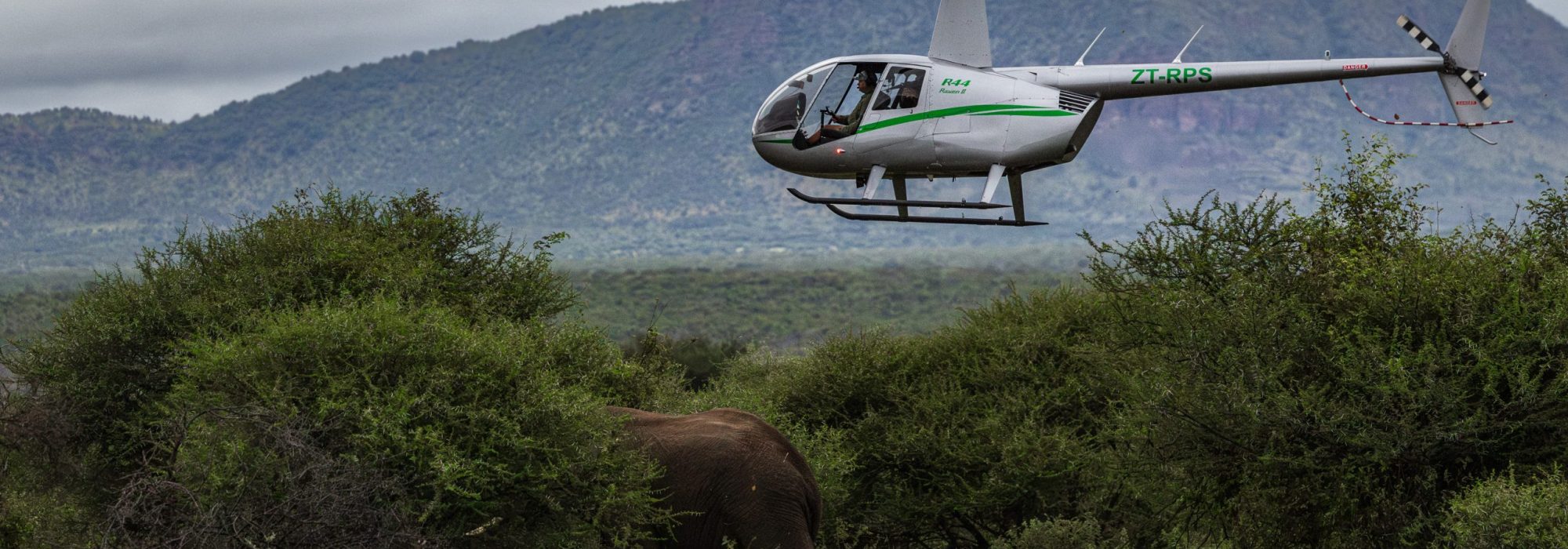
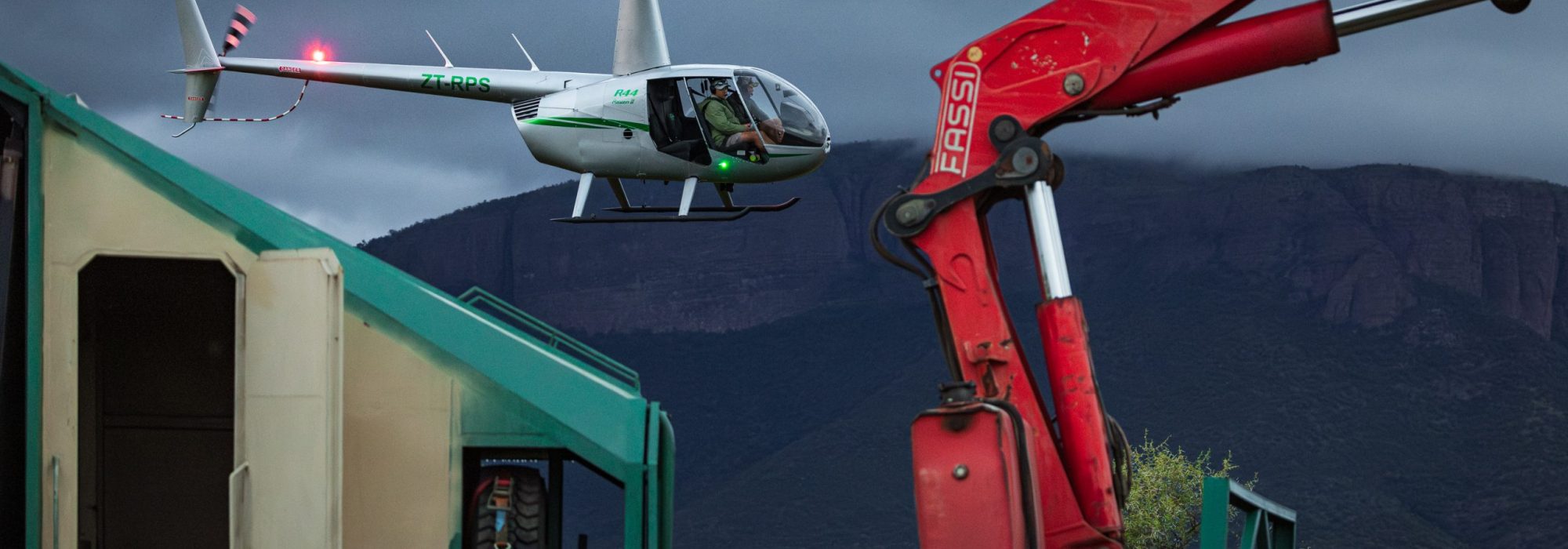
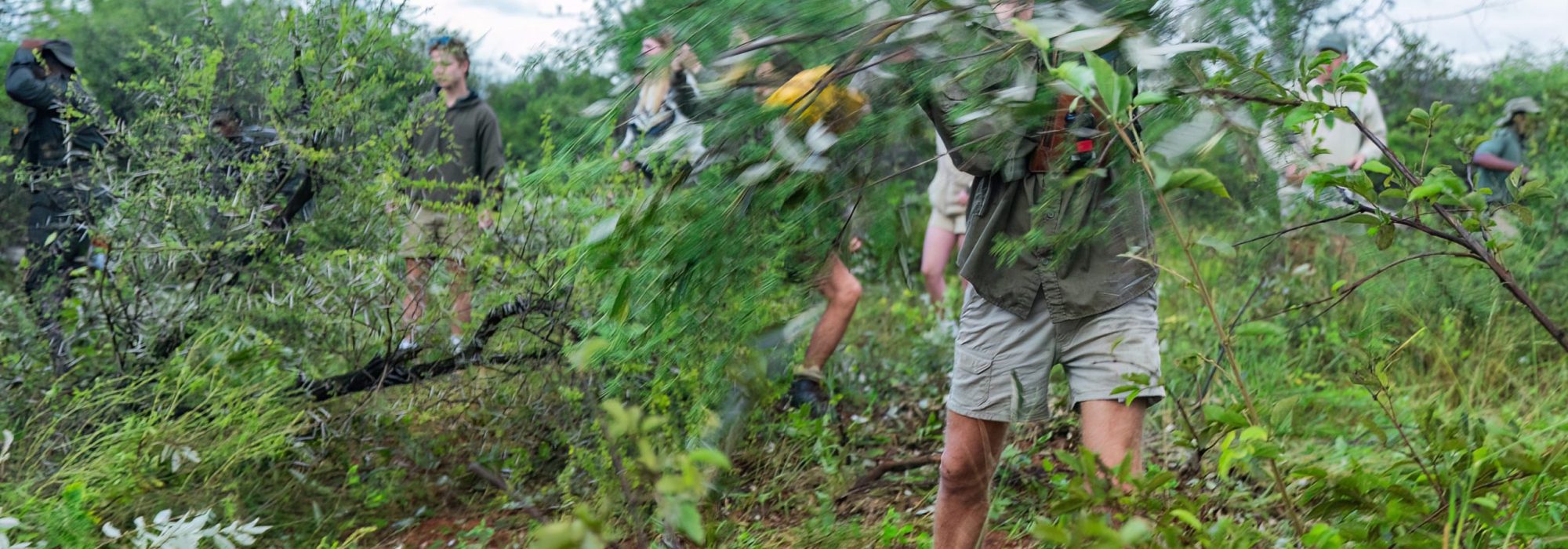
At 06:00 in March 2026, two adult bull elephants were selected in Marataba, within Marakele National Park. Aerial teams positioned them for darting and for ground access.
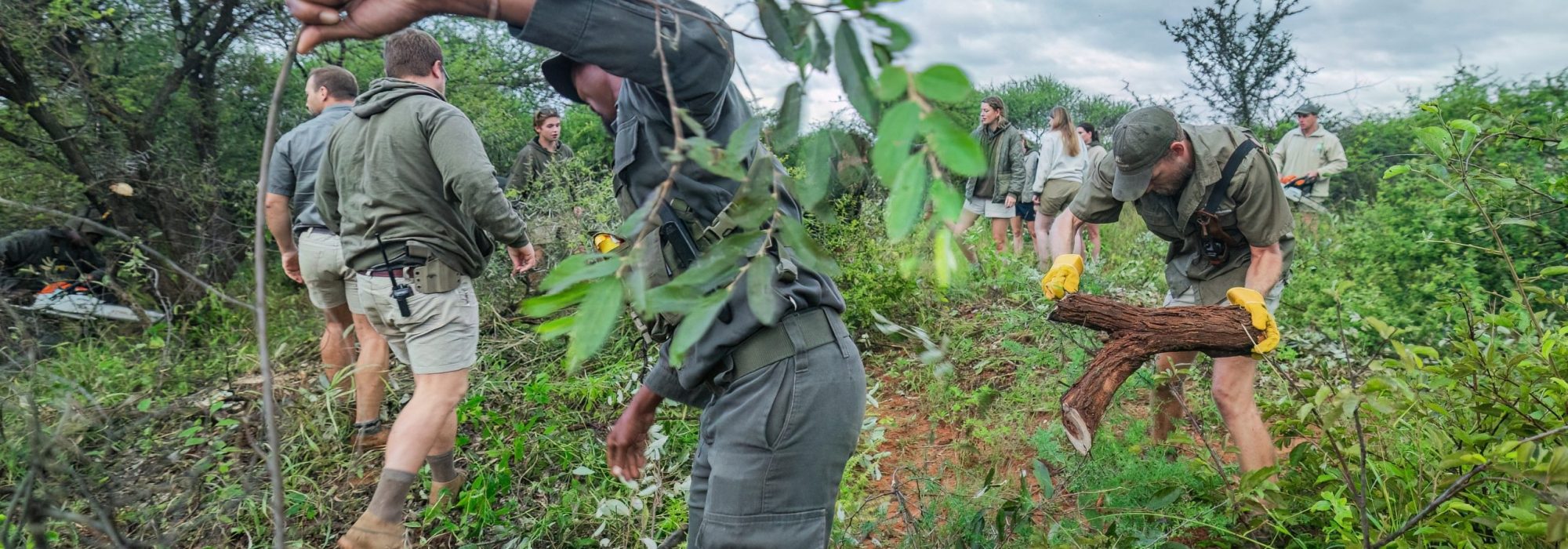
“We had some rain last night, which worried us, but the conditions were good,” said Chris Collins, Conservation Manager at Conservation Outcomes. Excessively muddy roads can trap vehicles, so the team must make weather-dependent decisions daily.
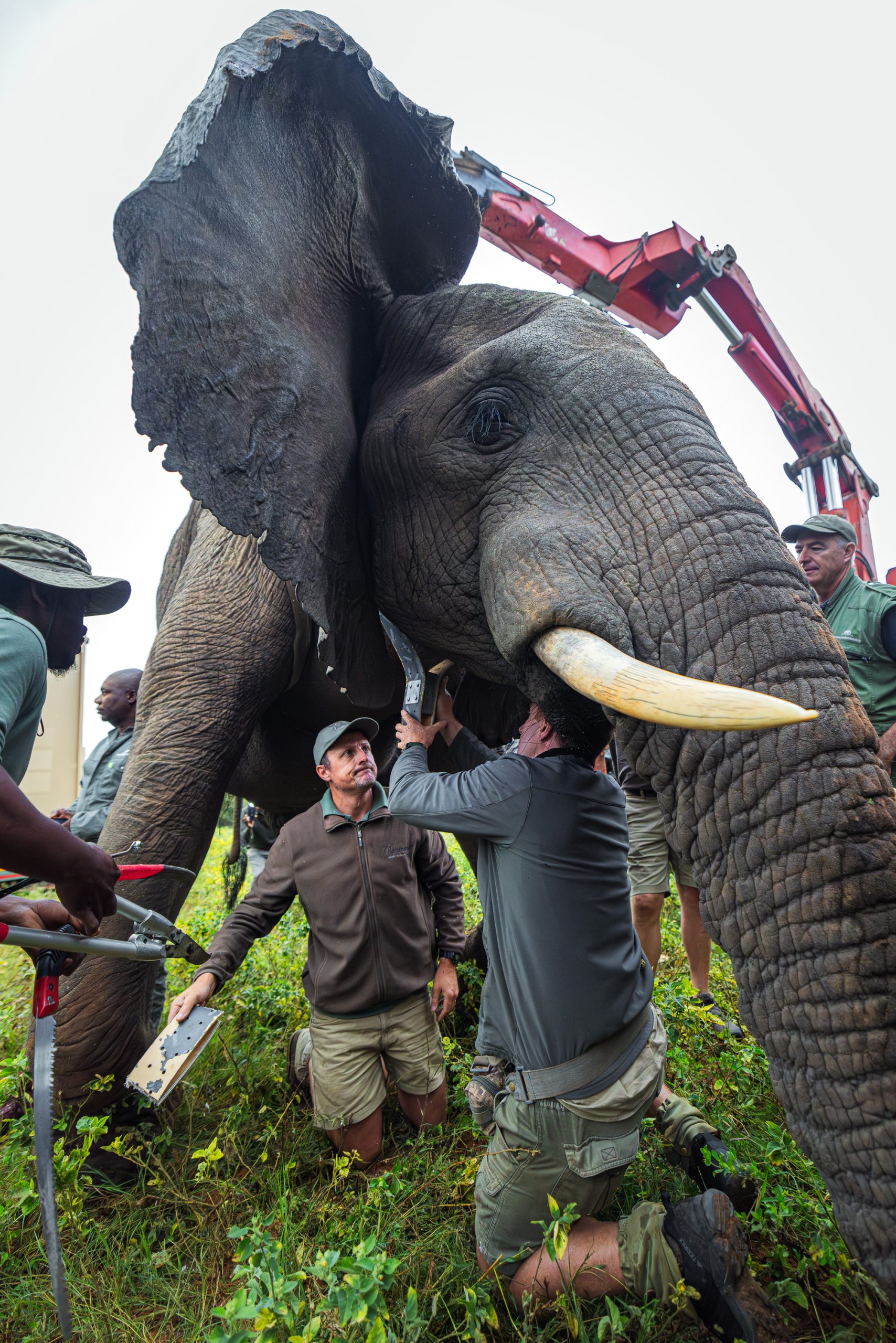
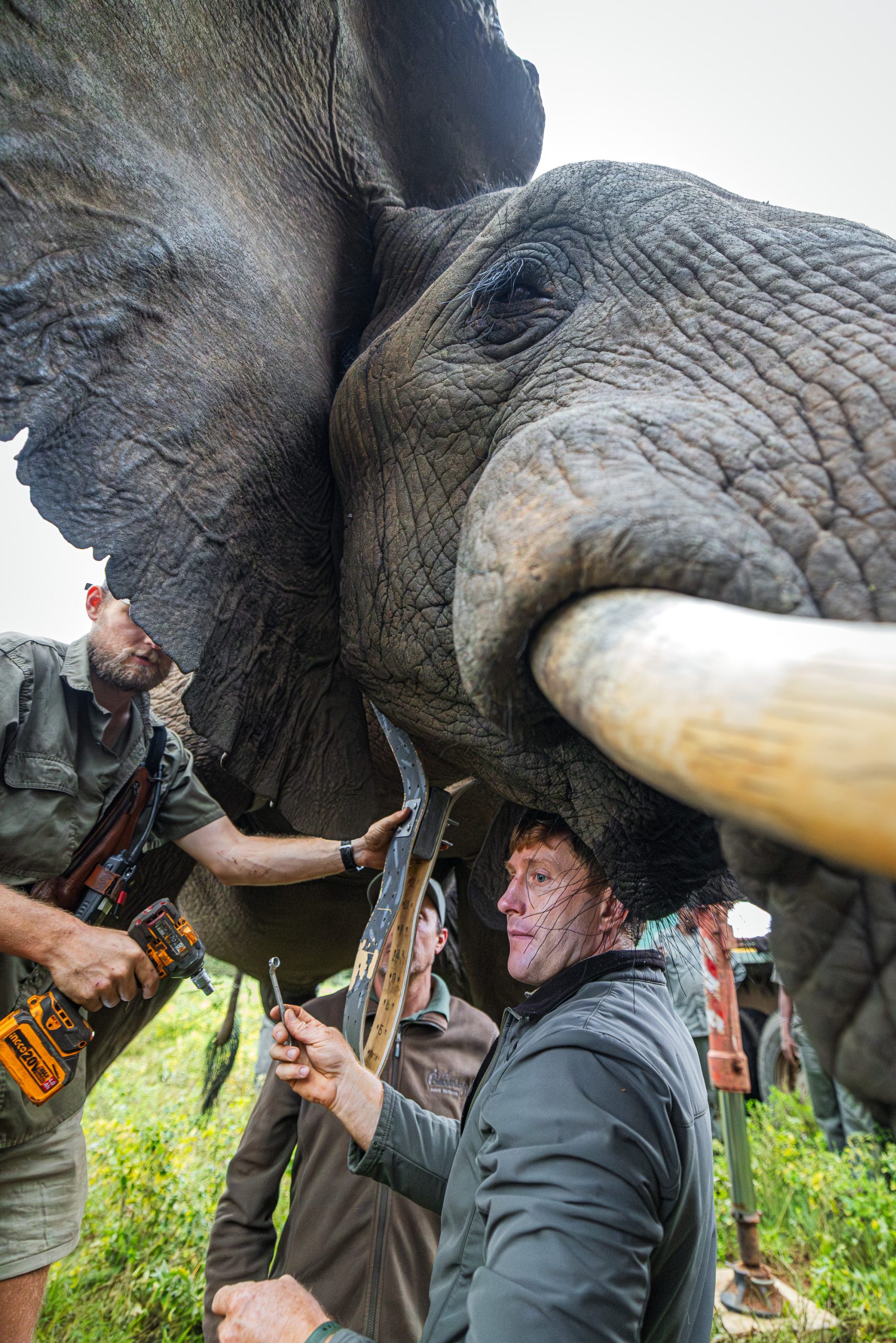
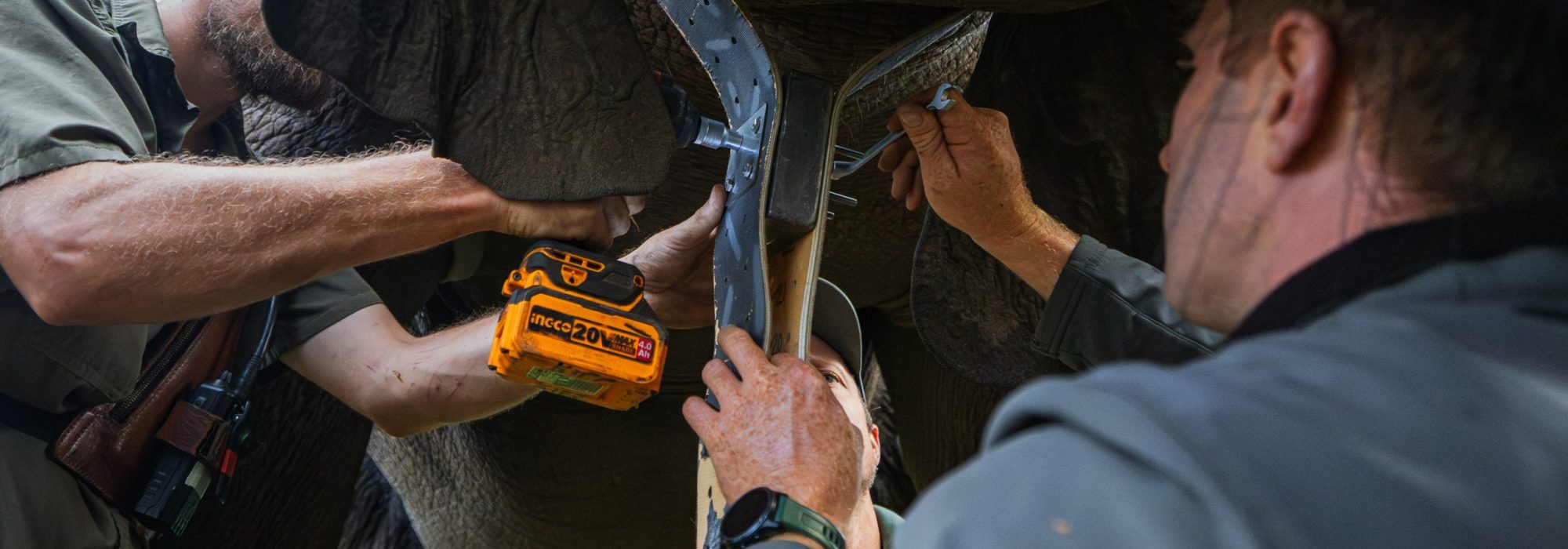
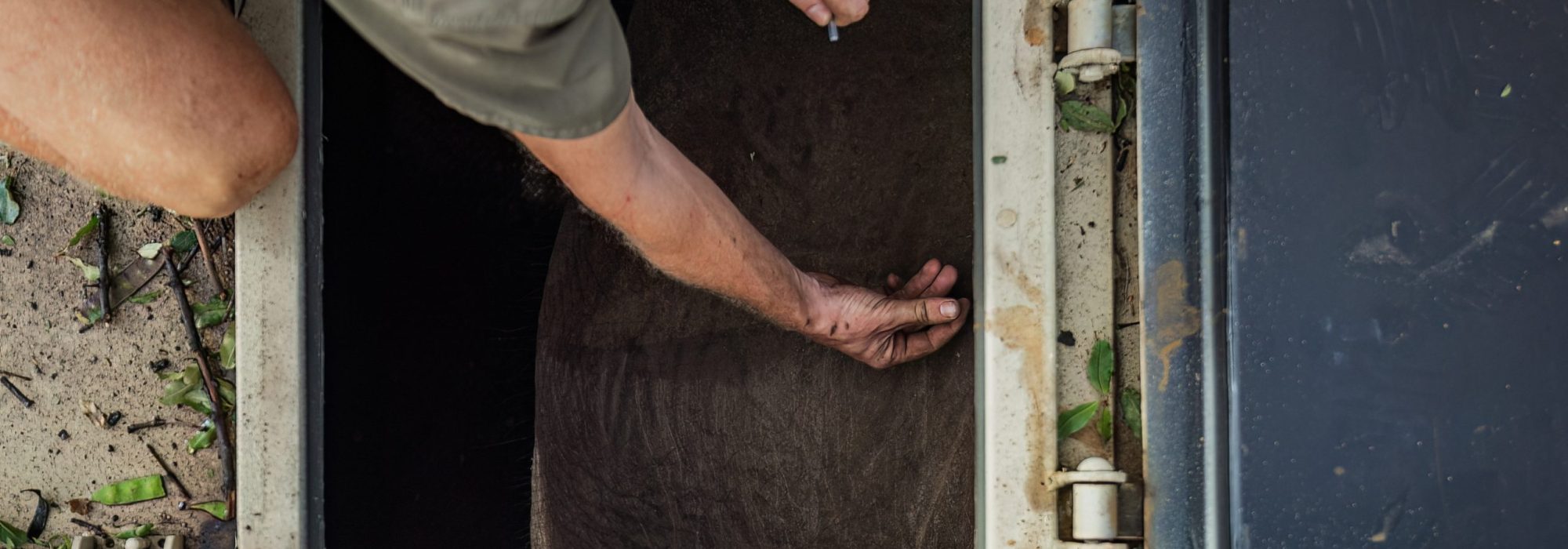
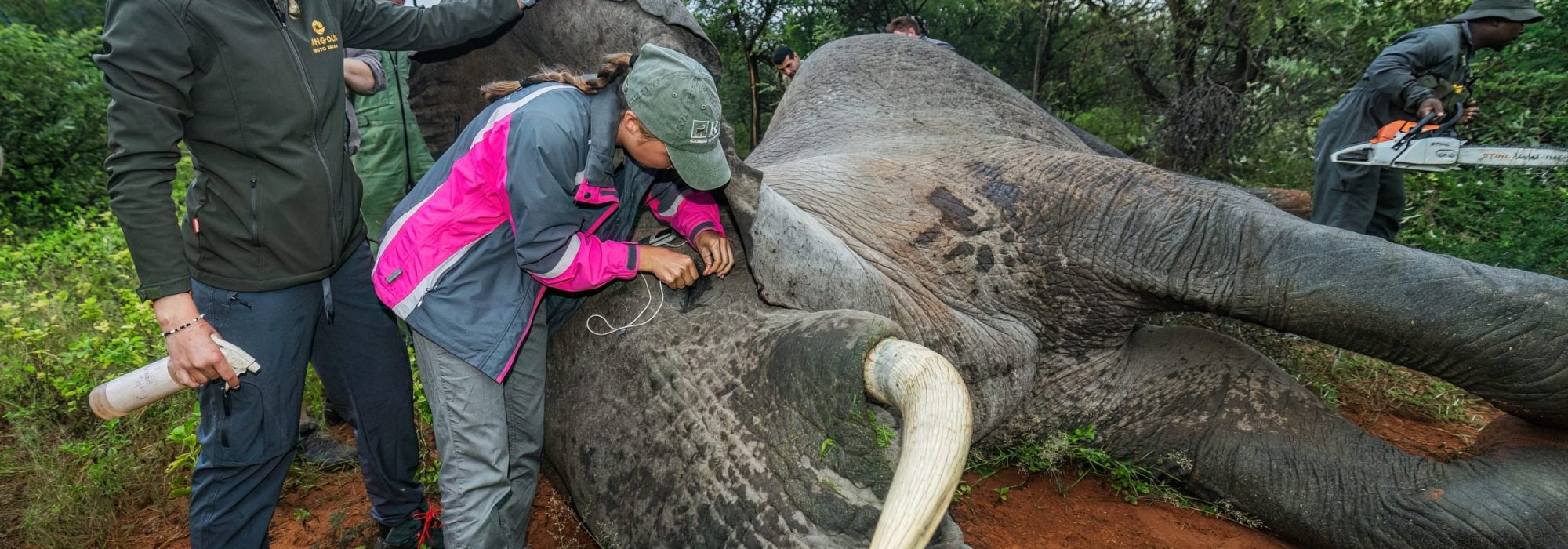
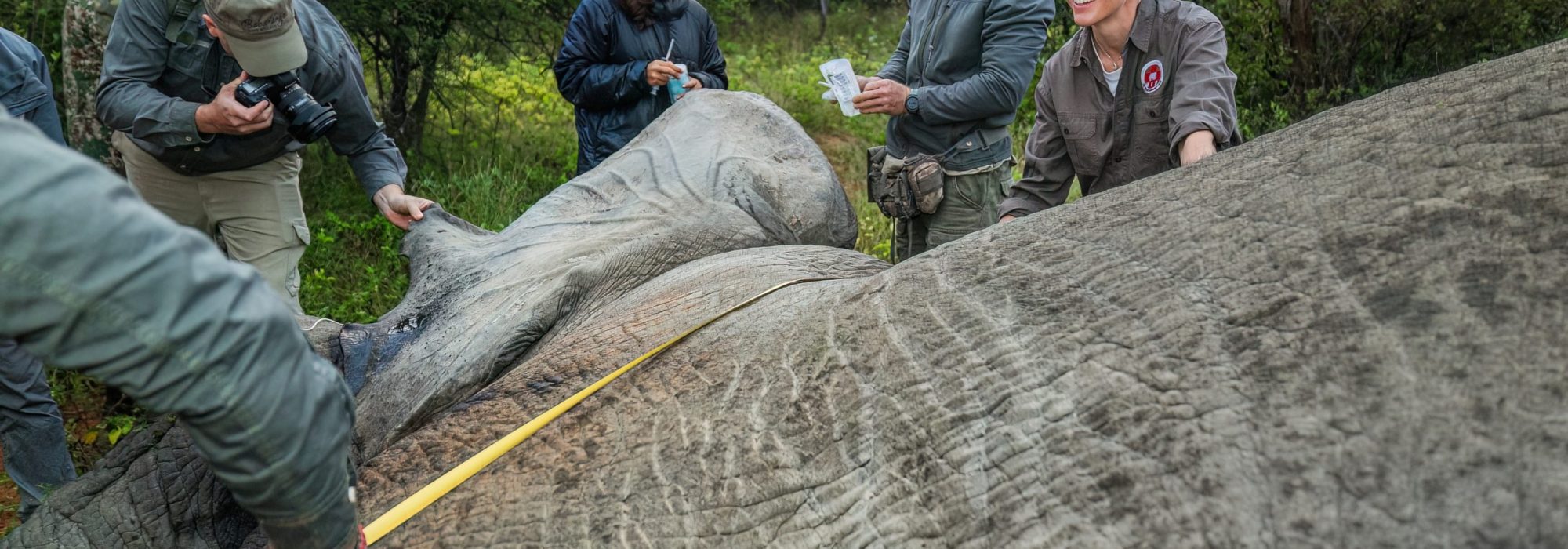
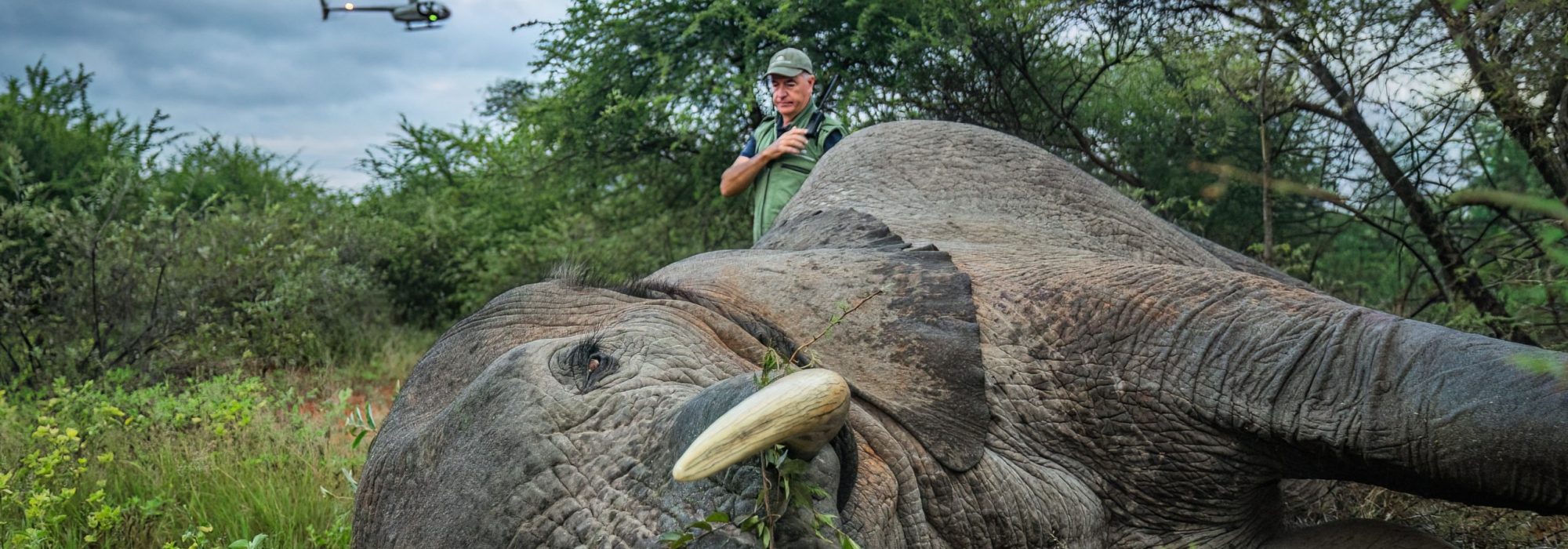
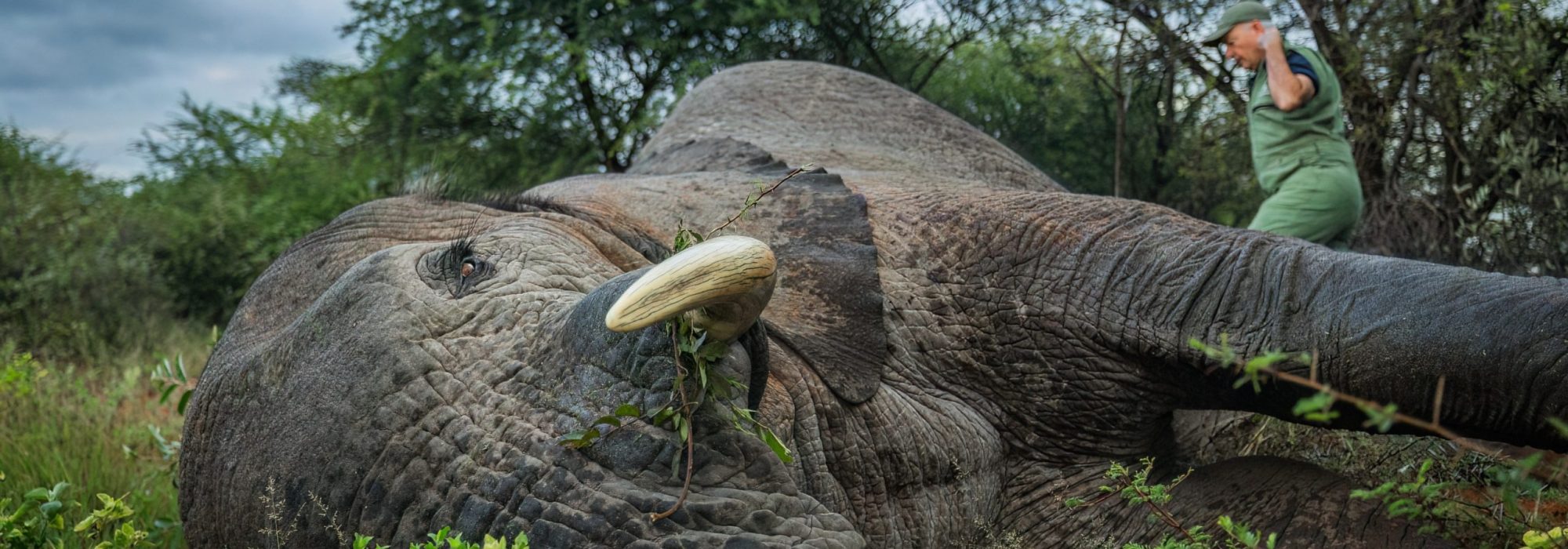
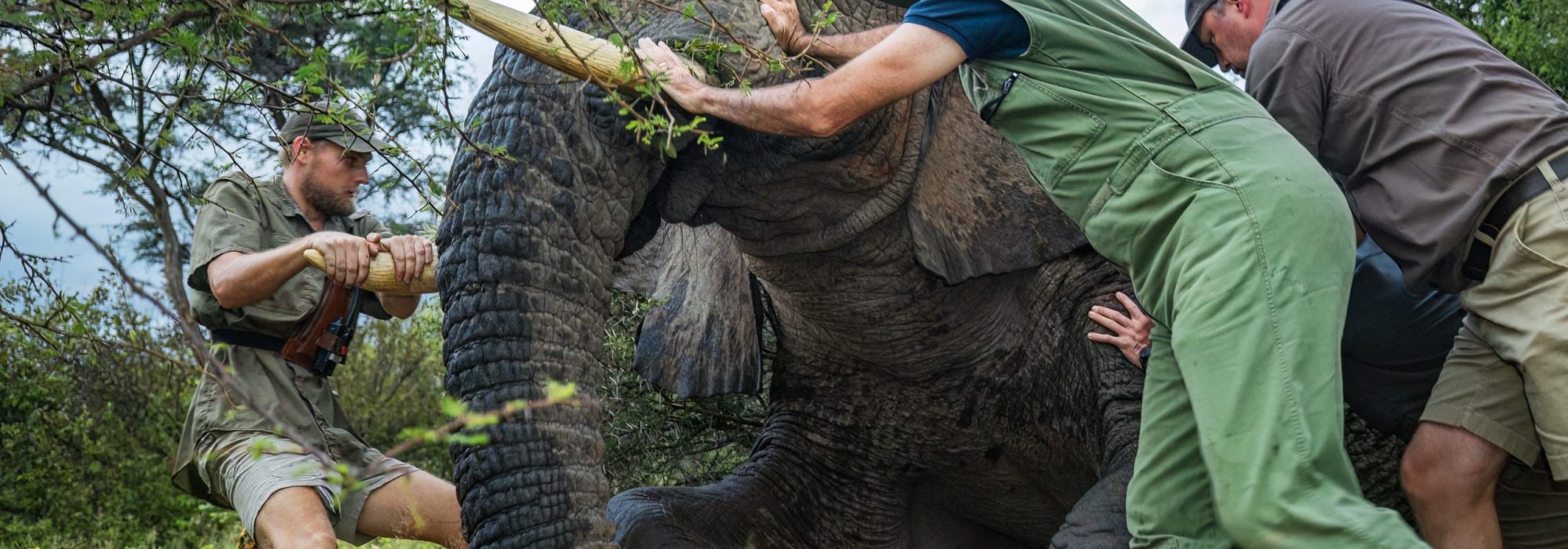
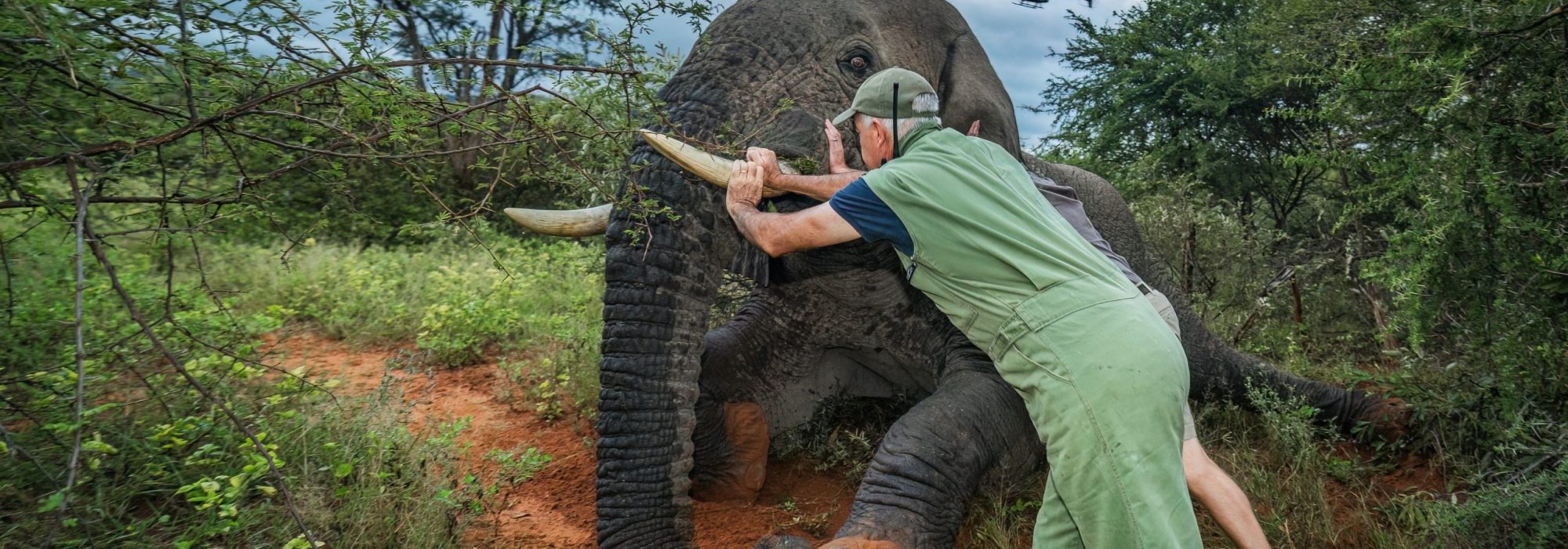
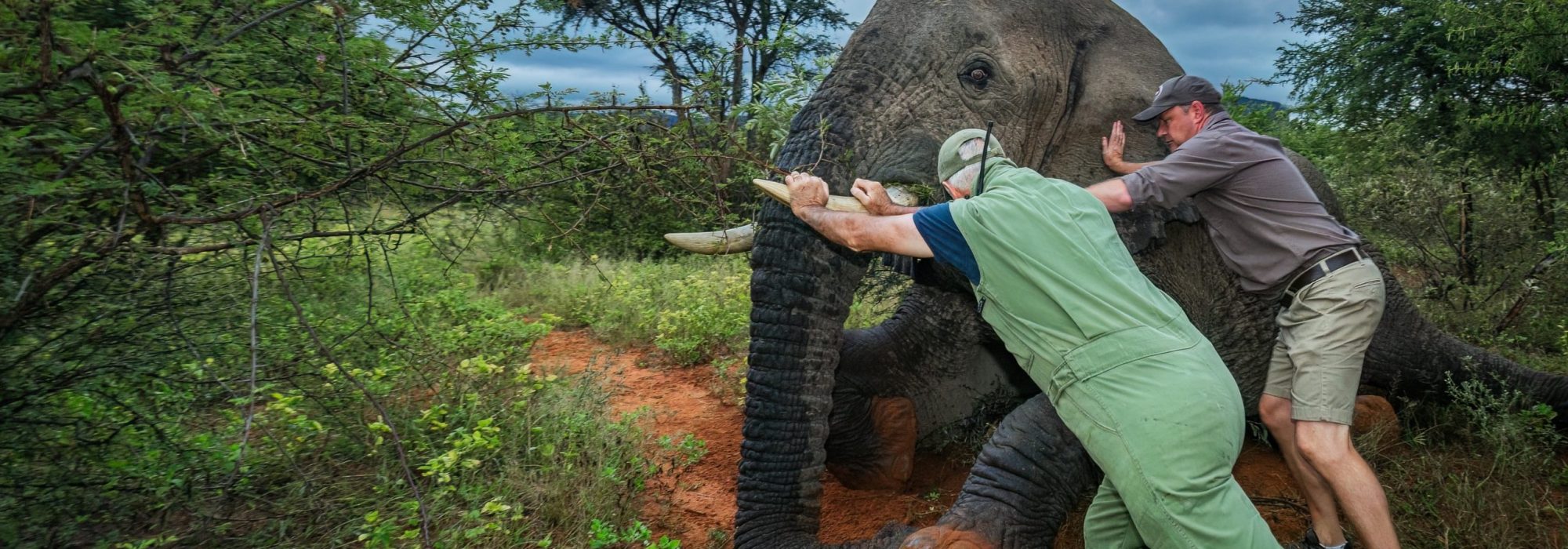
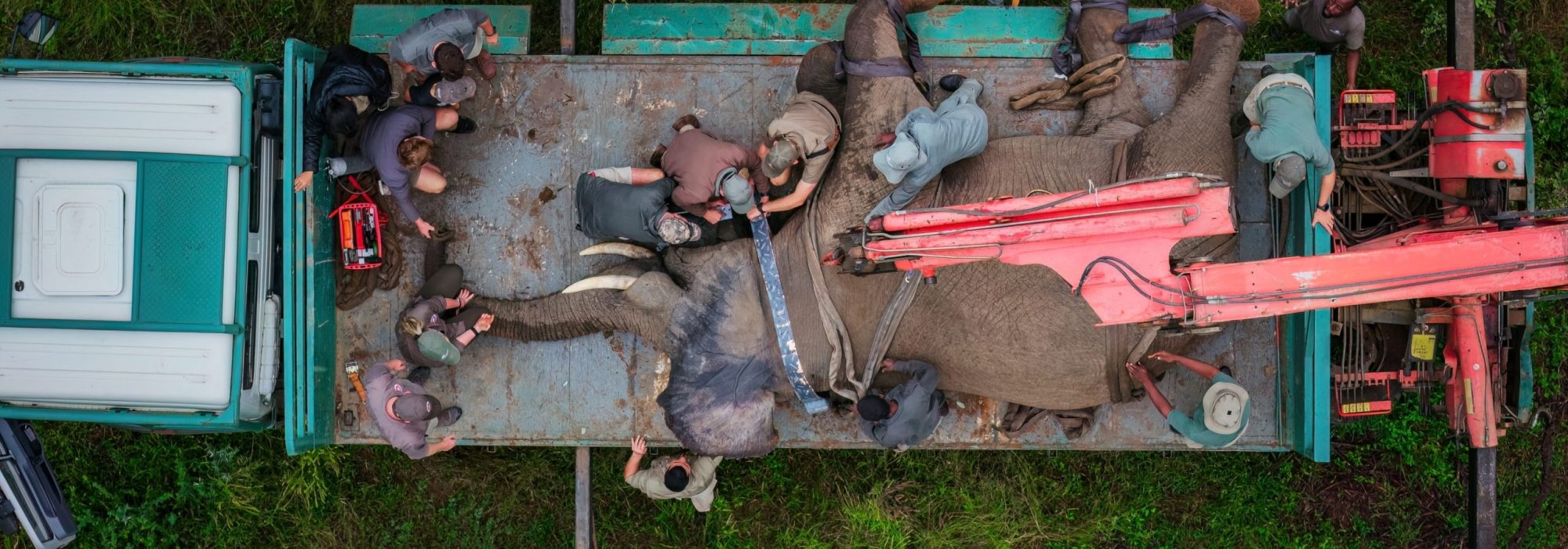
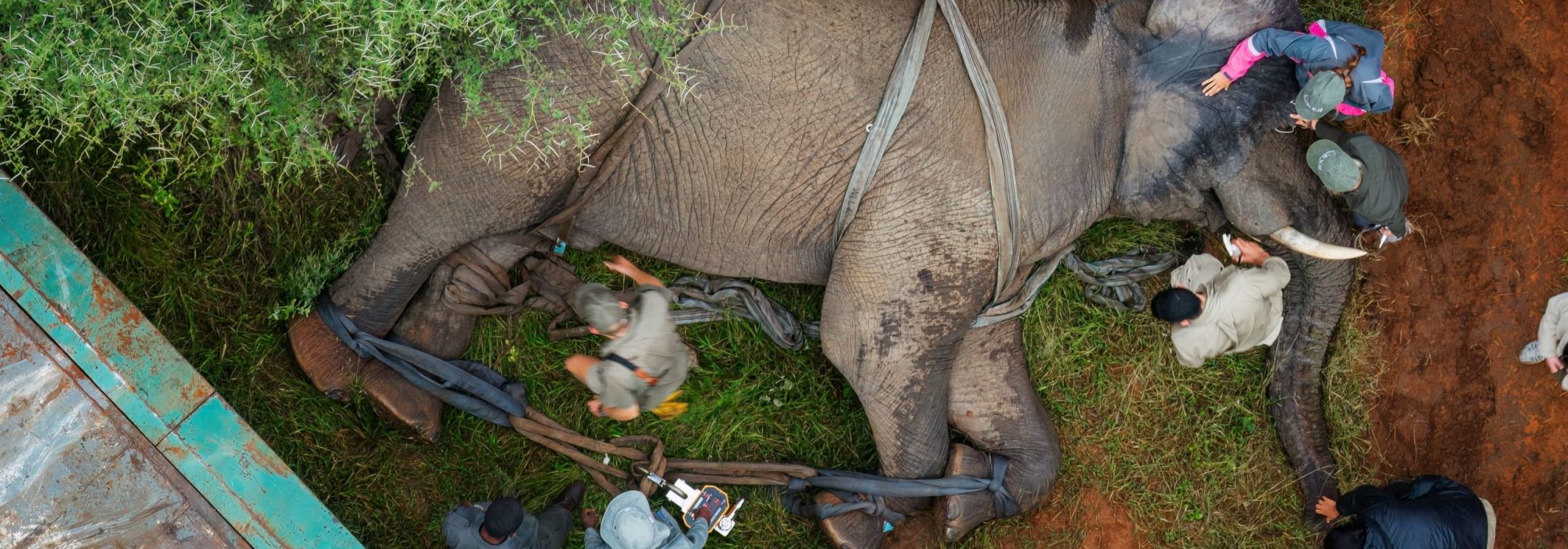
Once darted, each animal entered a controlled immobilization phase. “We’re using extremely potent opioids… which puts the respiratory system under pressure,” said the attending wildlife veterinarian, Andy Fraser.
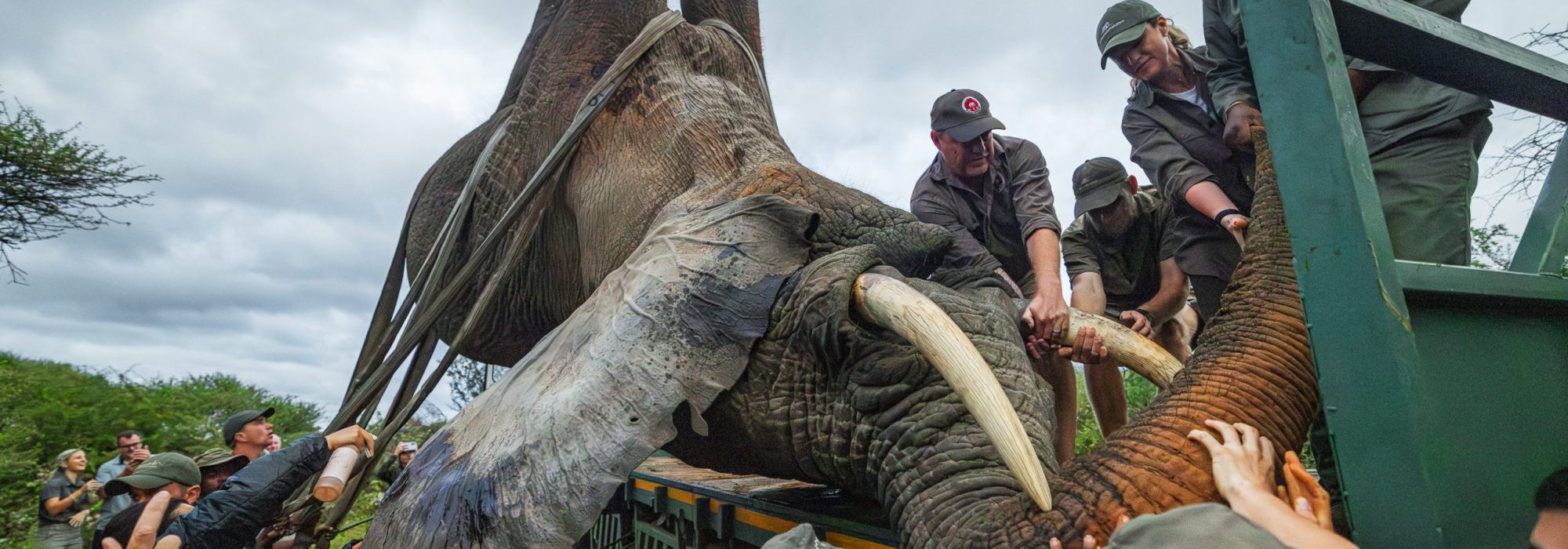
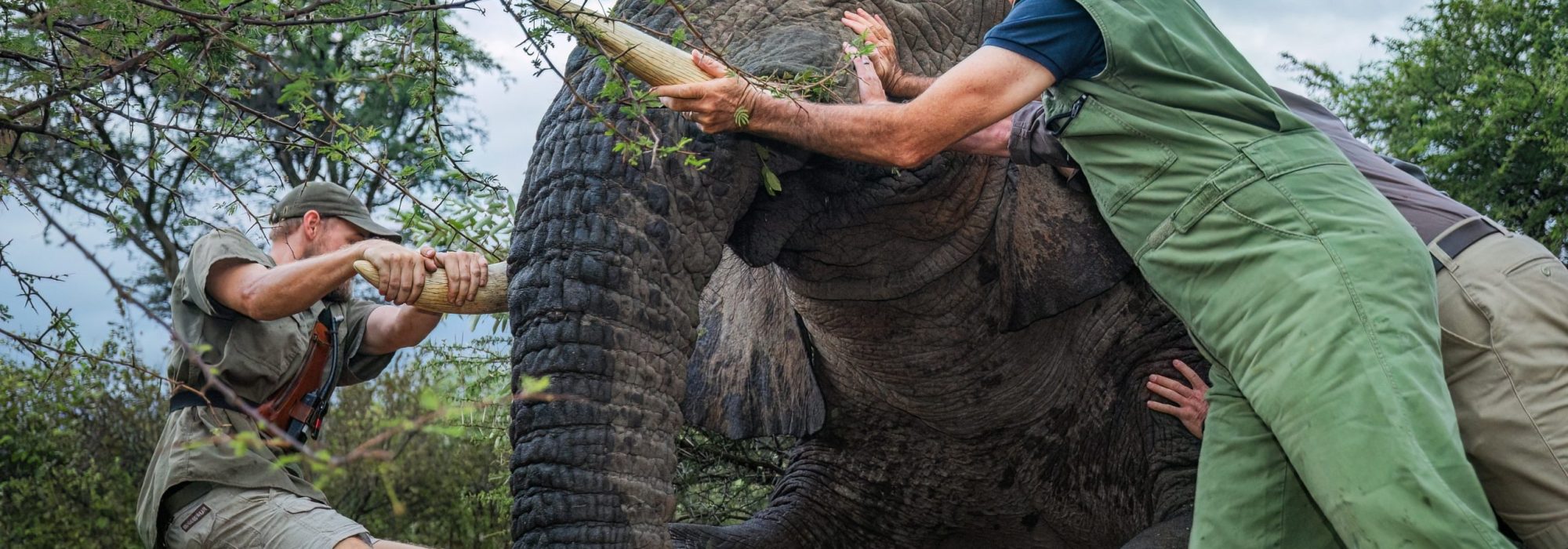
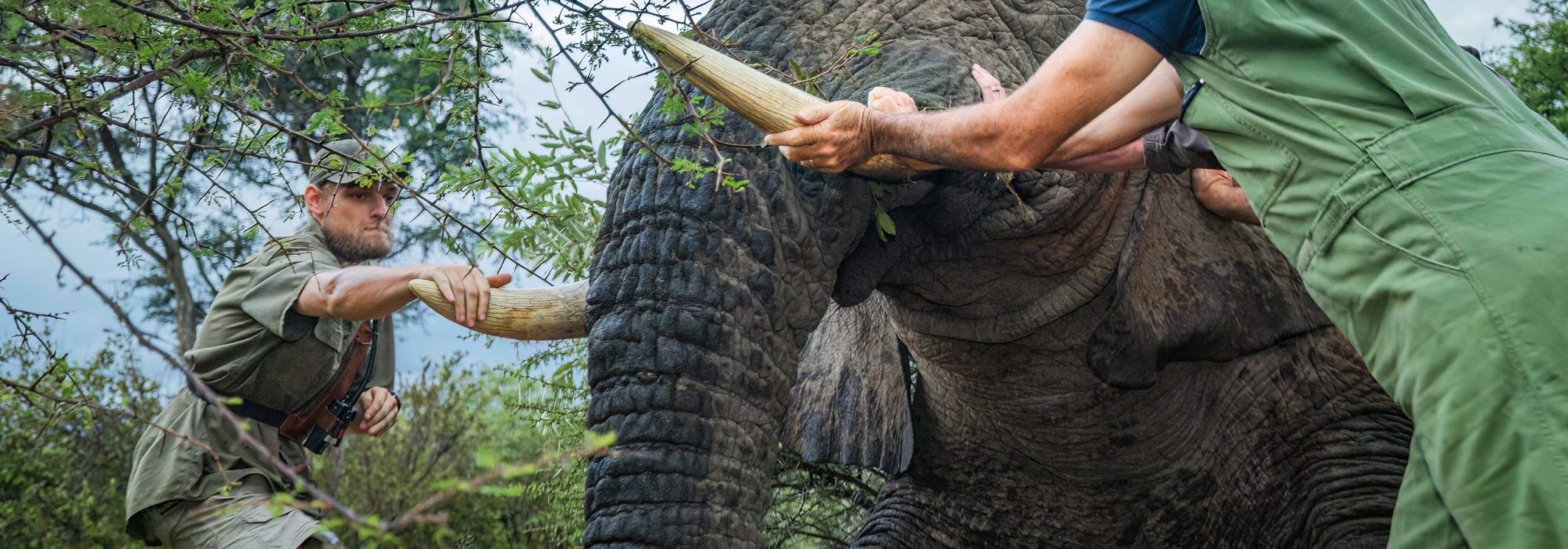
Elephants, being obligate trunk breathers, need continuous airway management. “We must ensure the trunk remains open; any obstruction could be dangerous.”
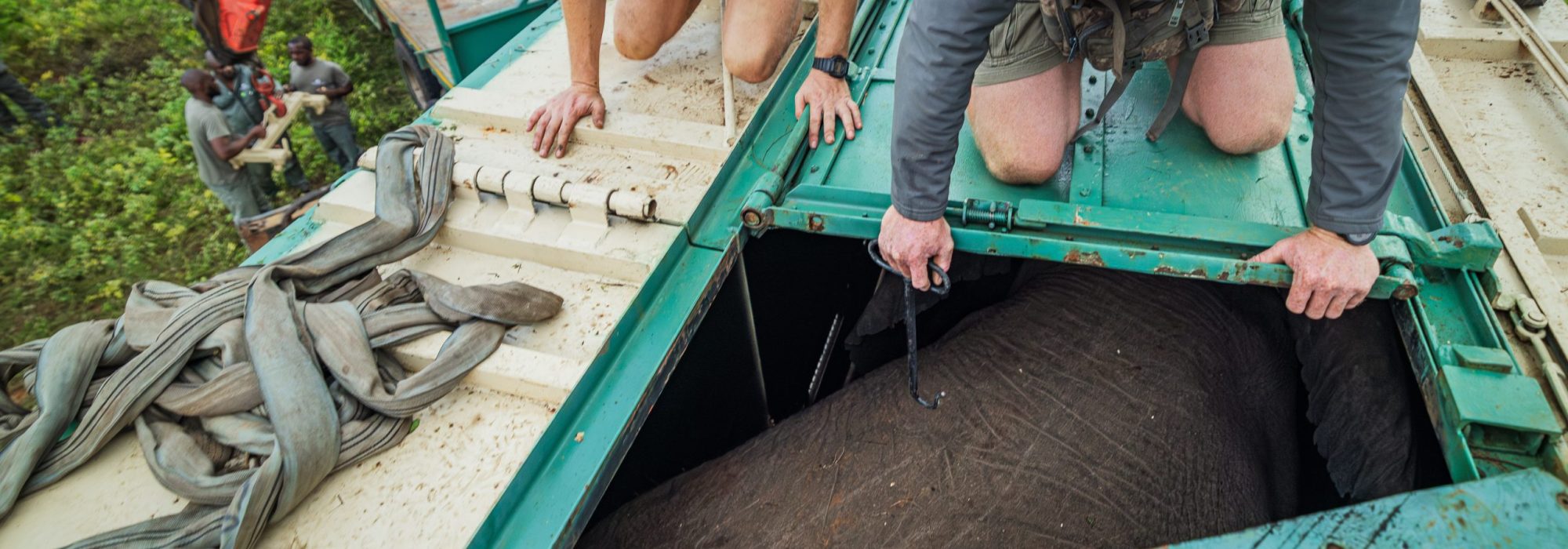
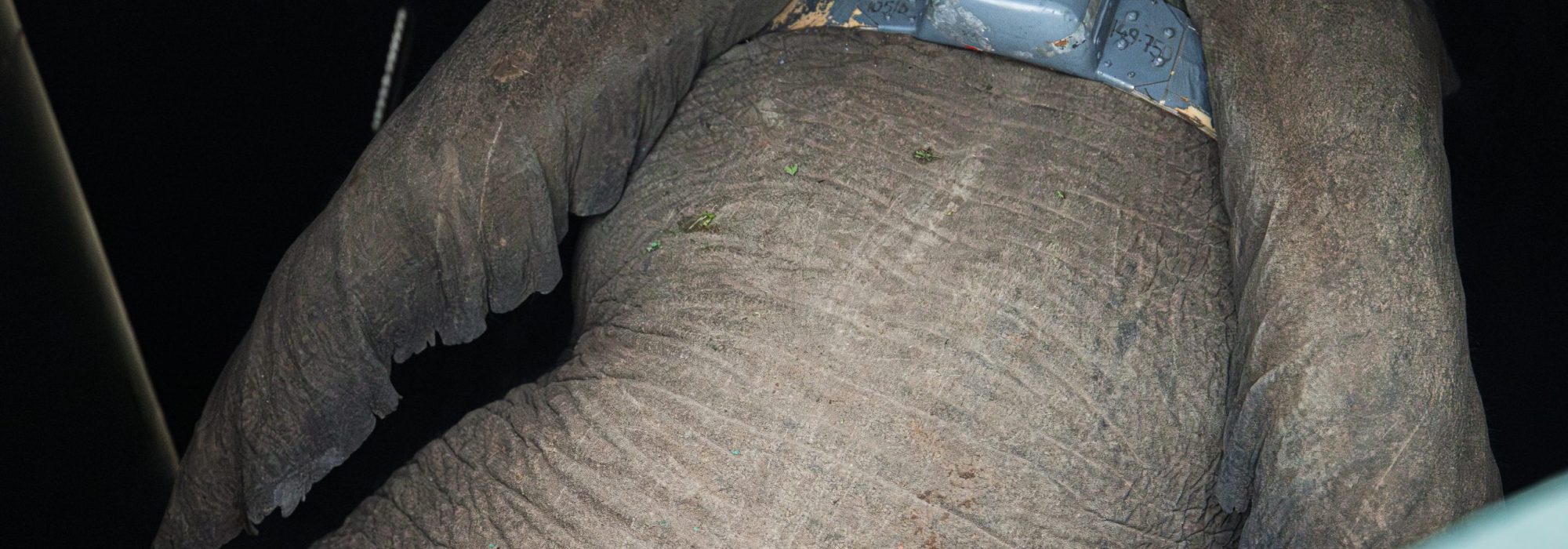
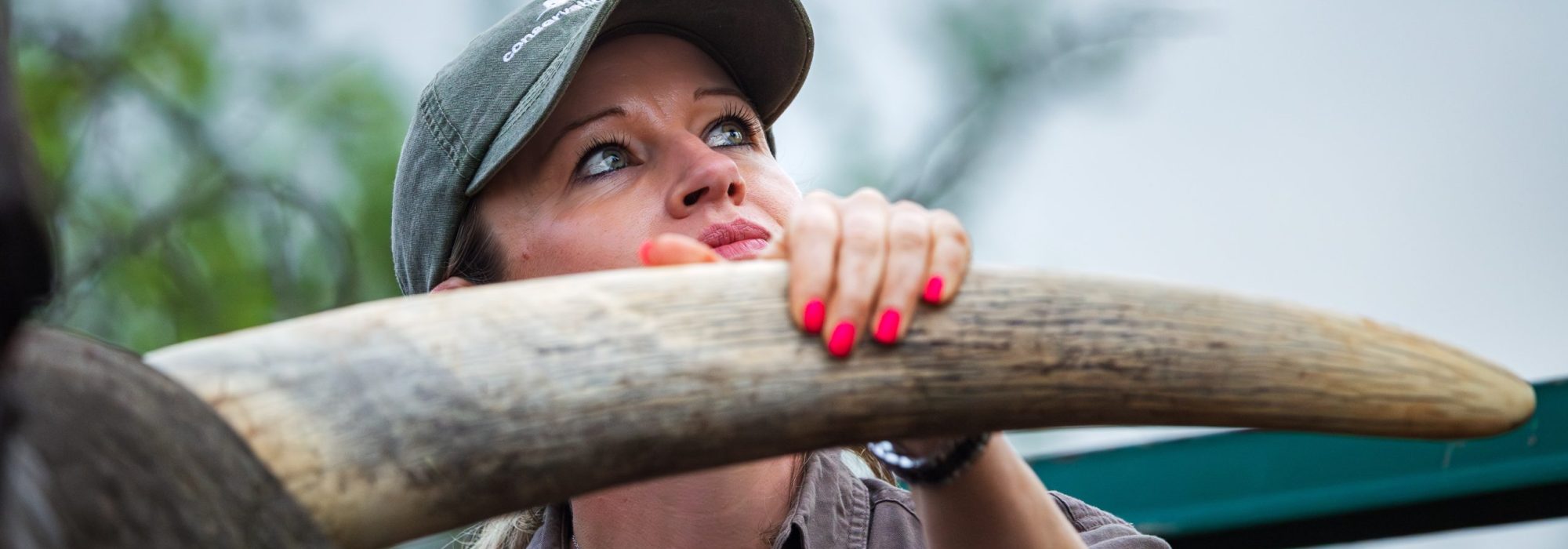
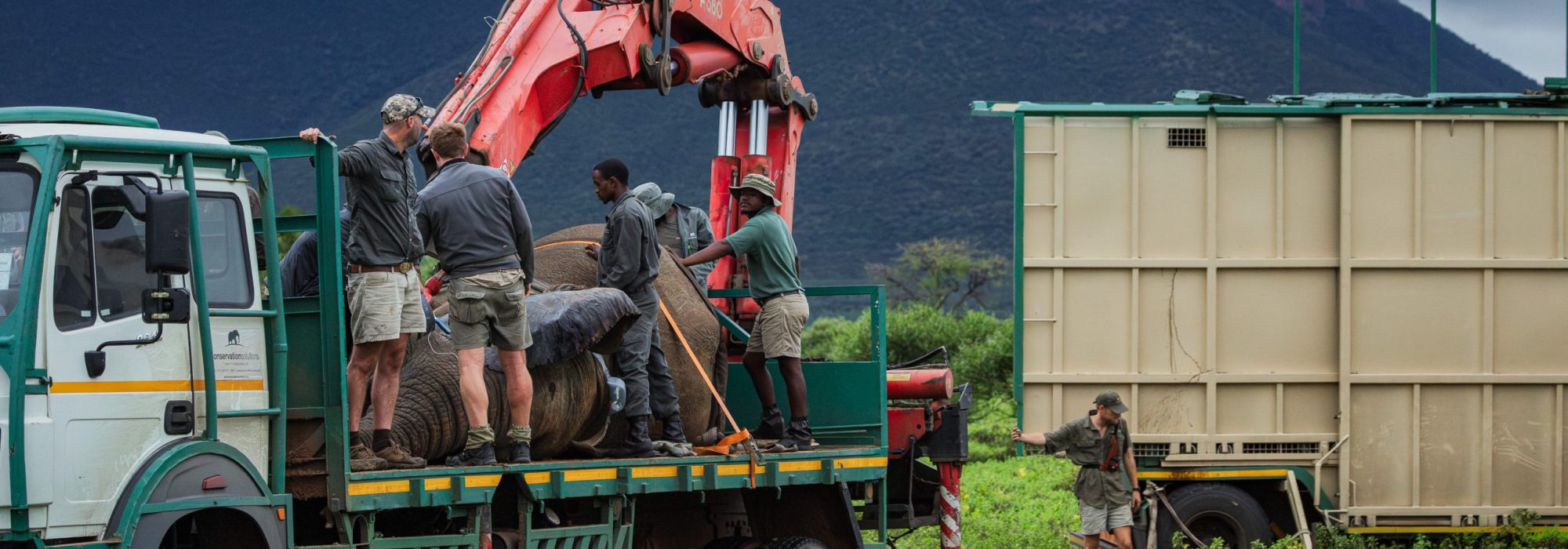
Correct positioning of the multi-ton animal is very important. “Any pressure on the chest can be detrimental… they don’t breathe well when lifted incorrectly,” the vet noted. Handling techniques have been adapted over the years of experience by the capture team to reduce compression and minimize time under strain.
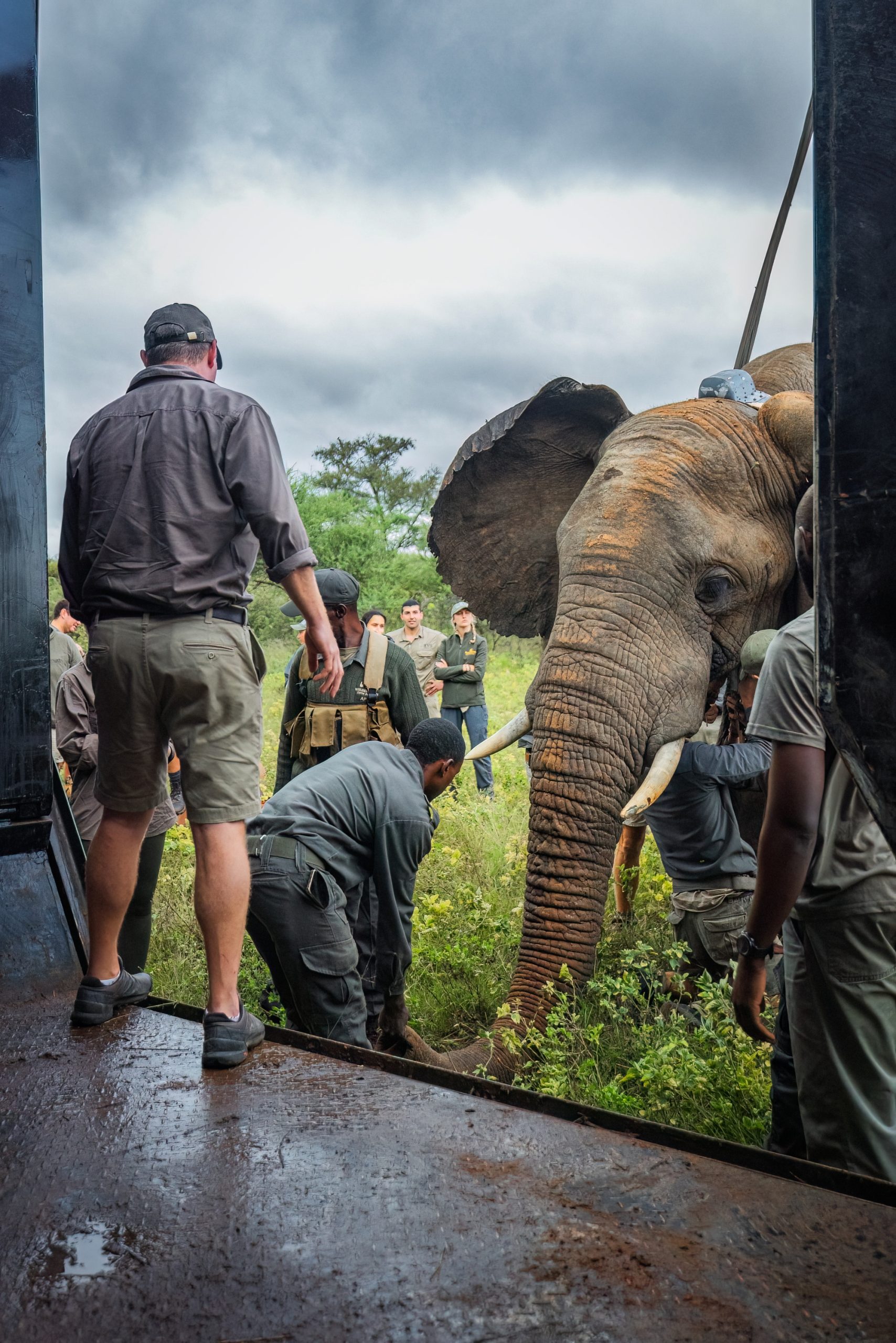
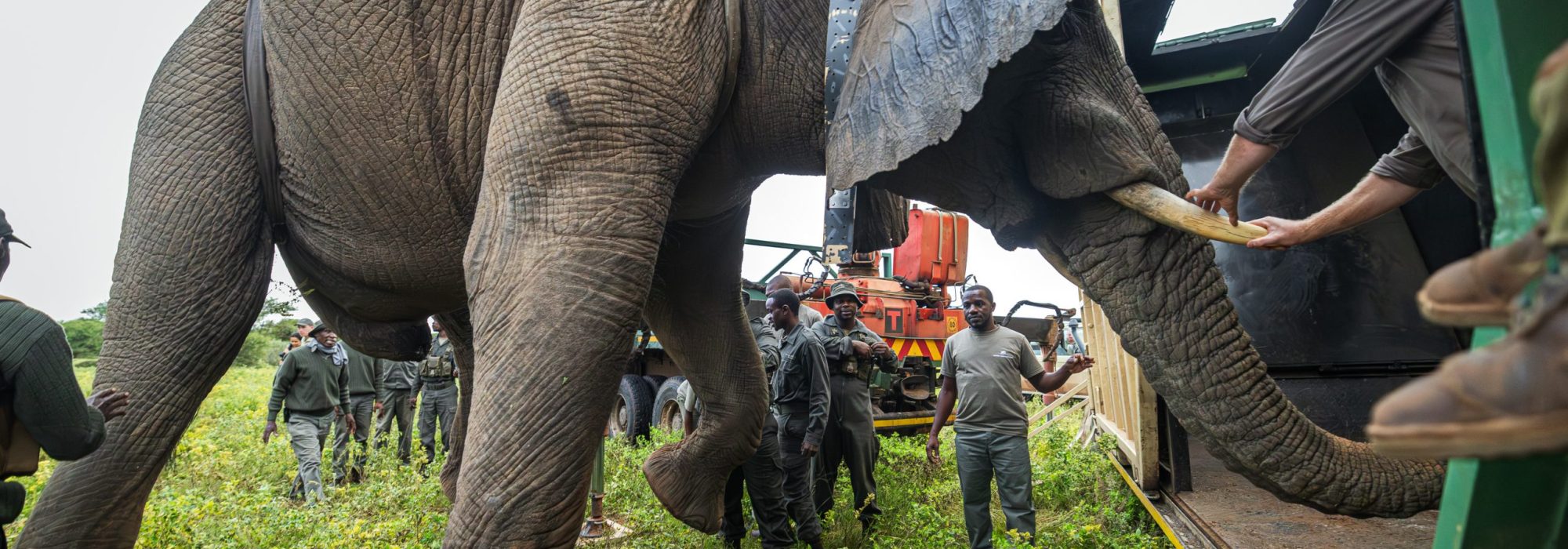
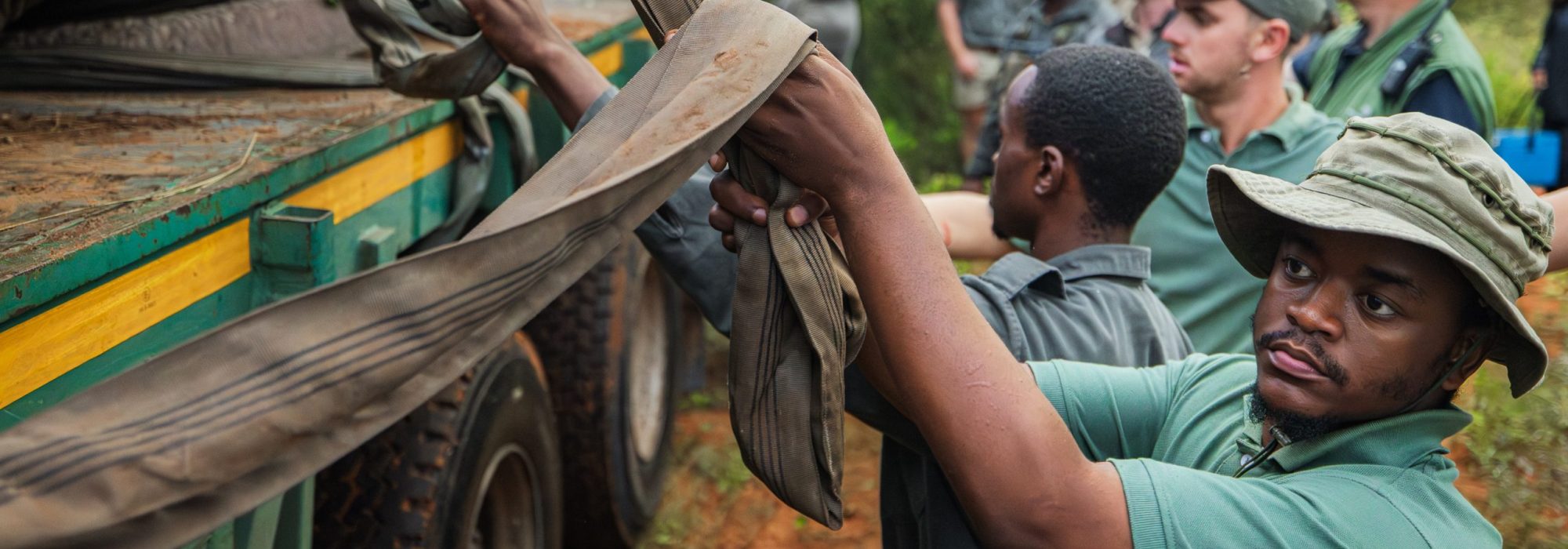
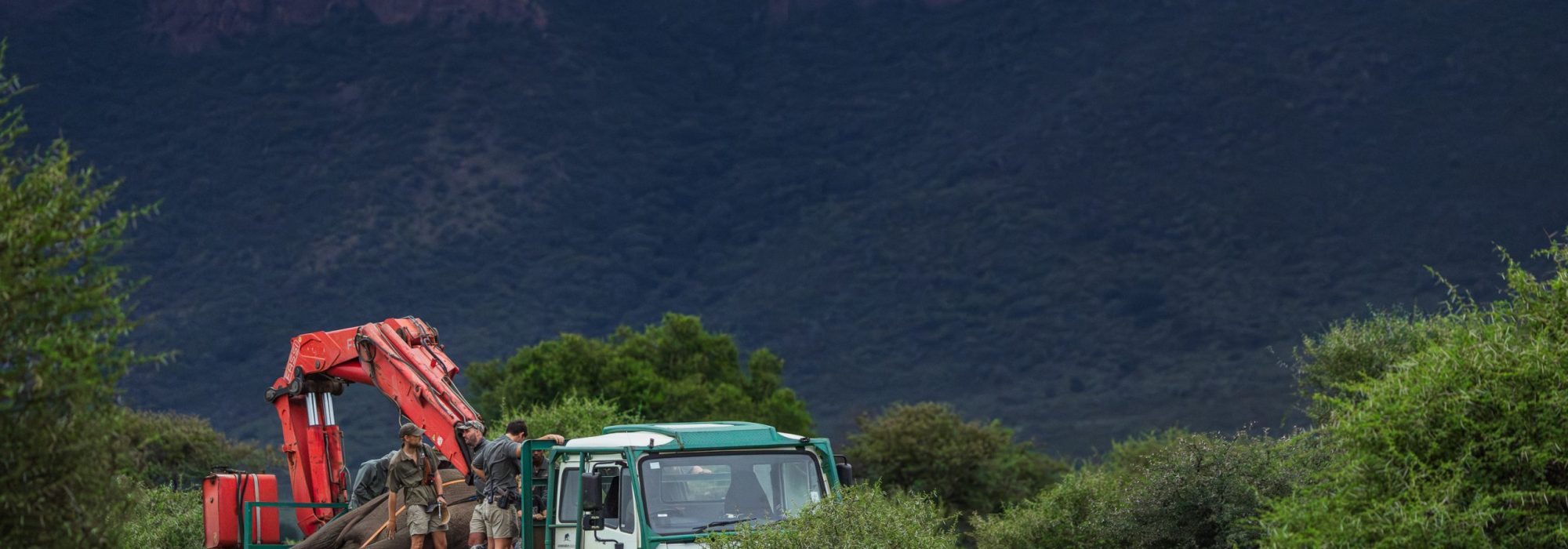
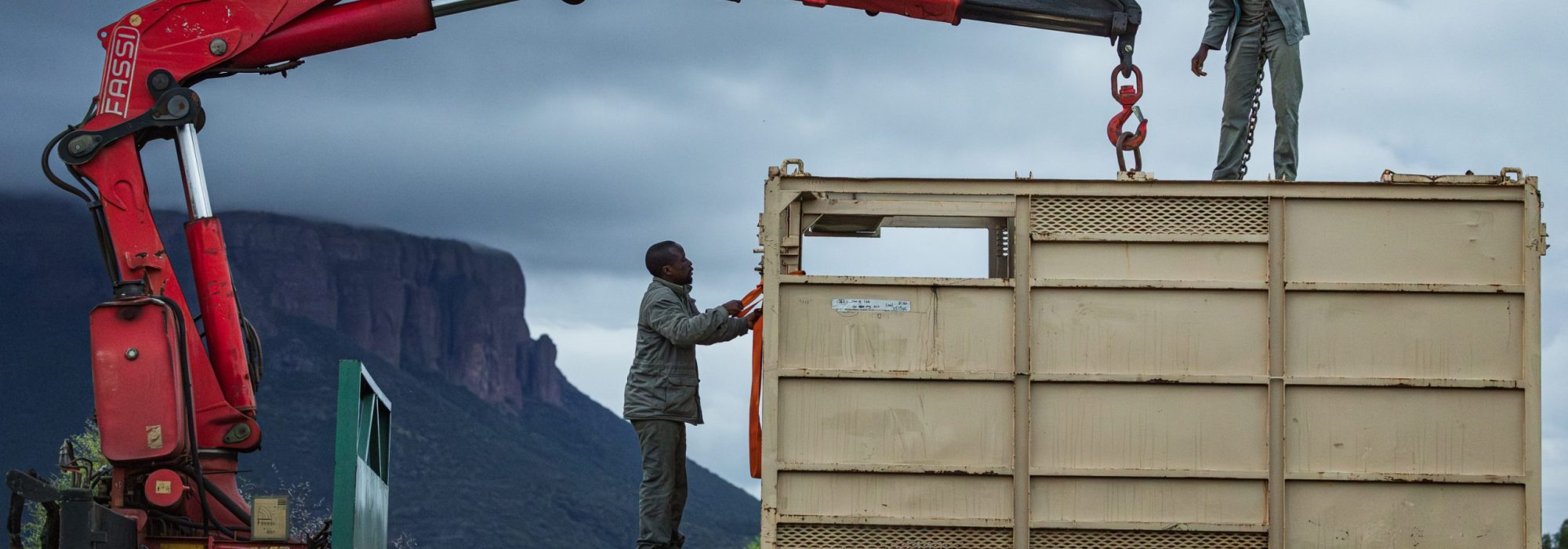
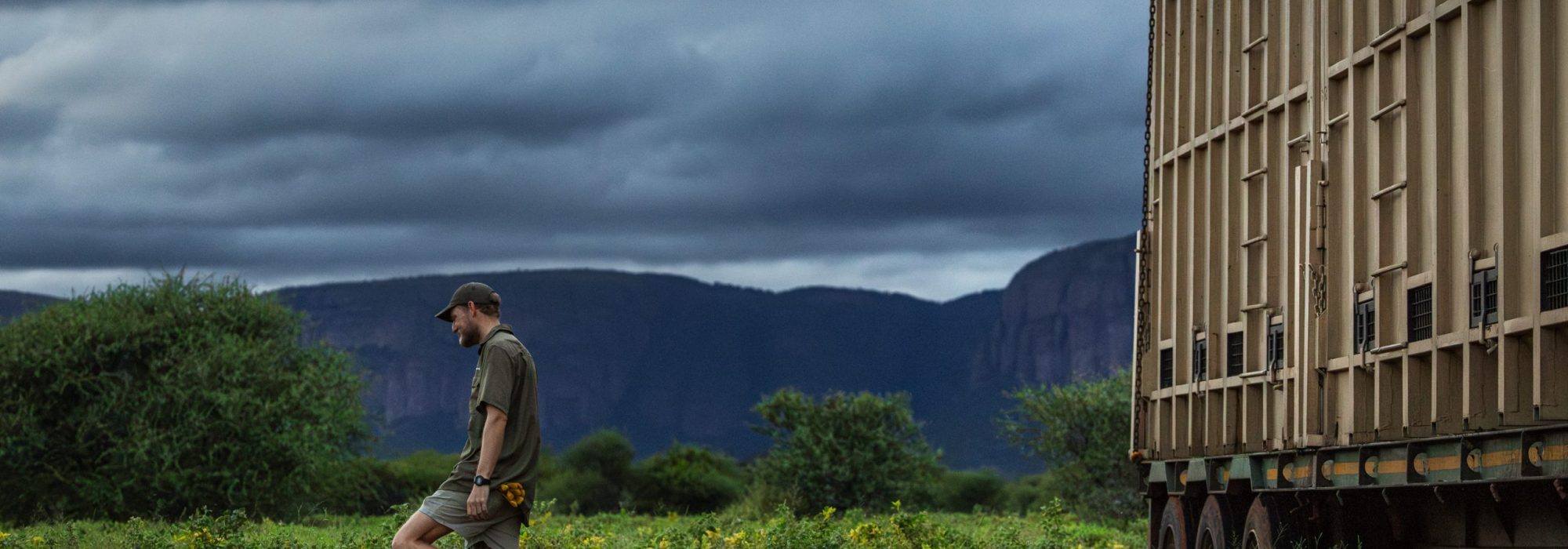
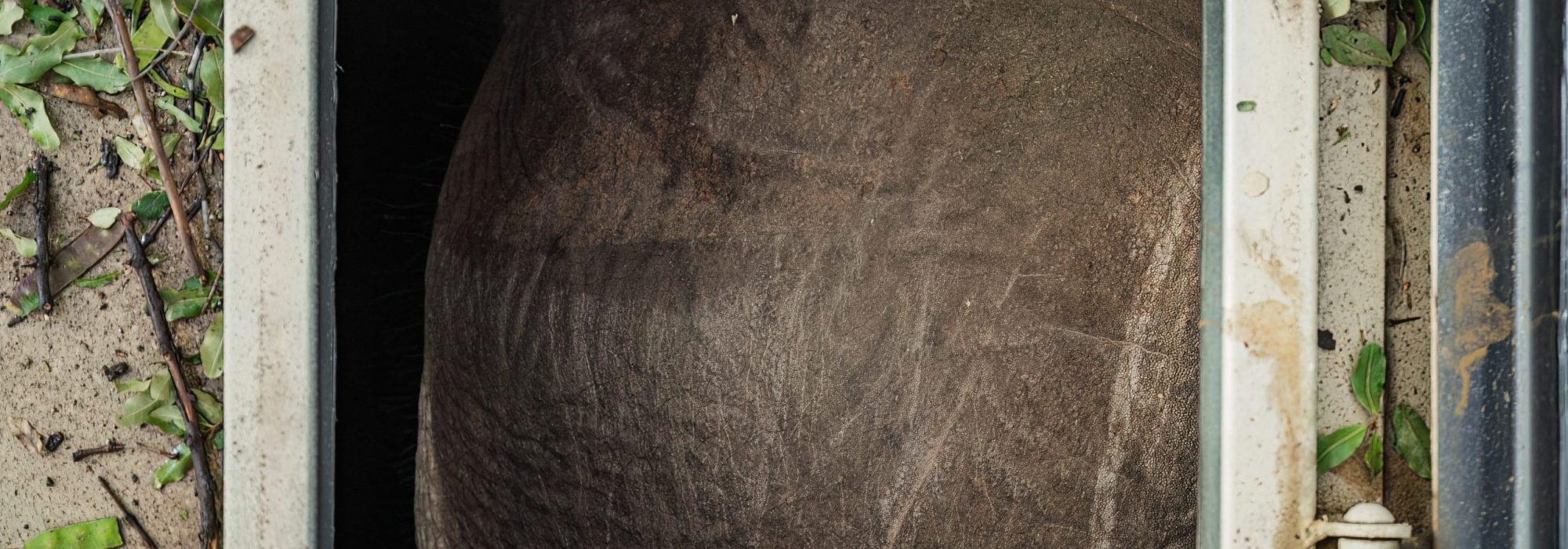
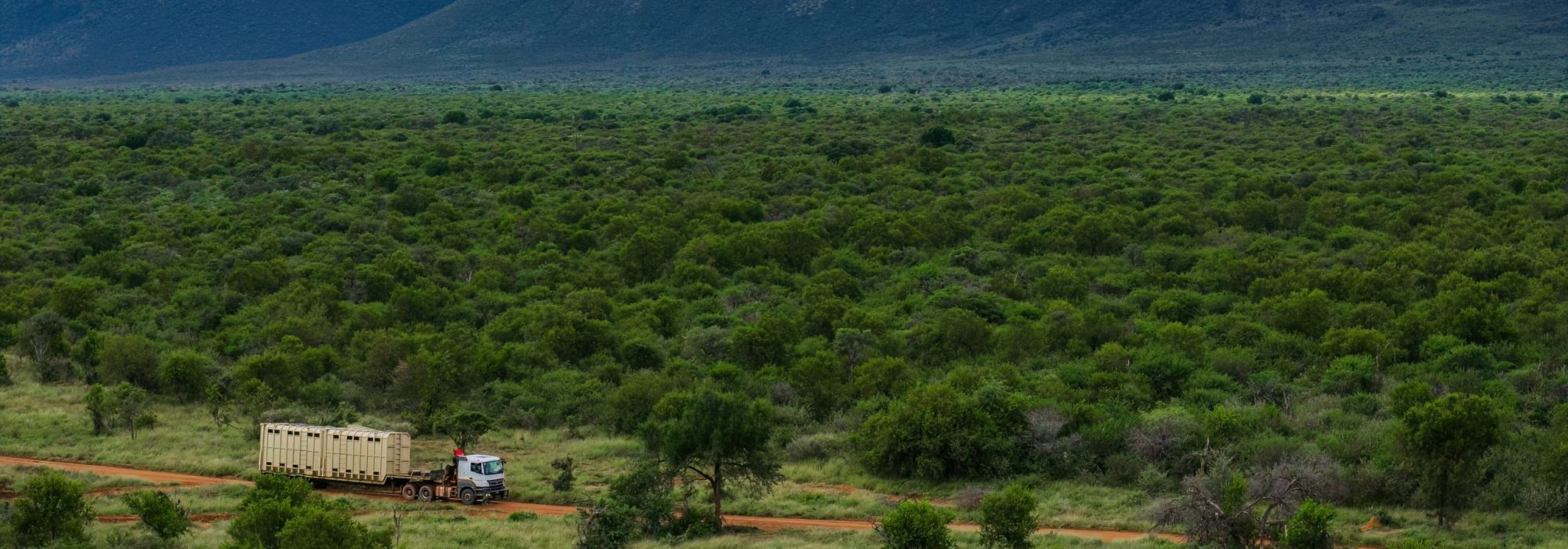
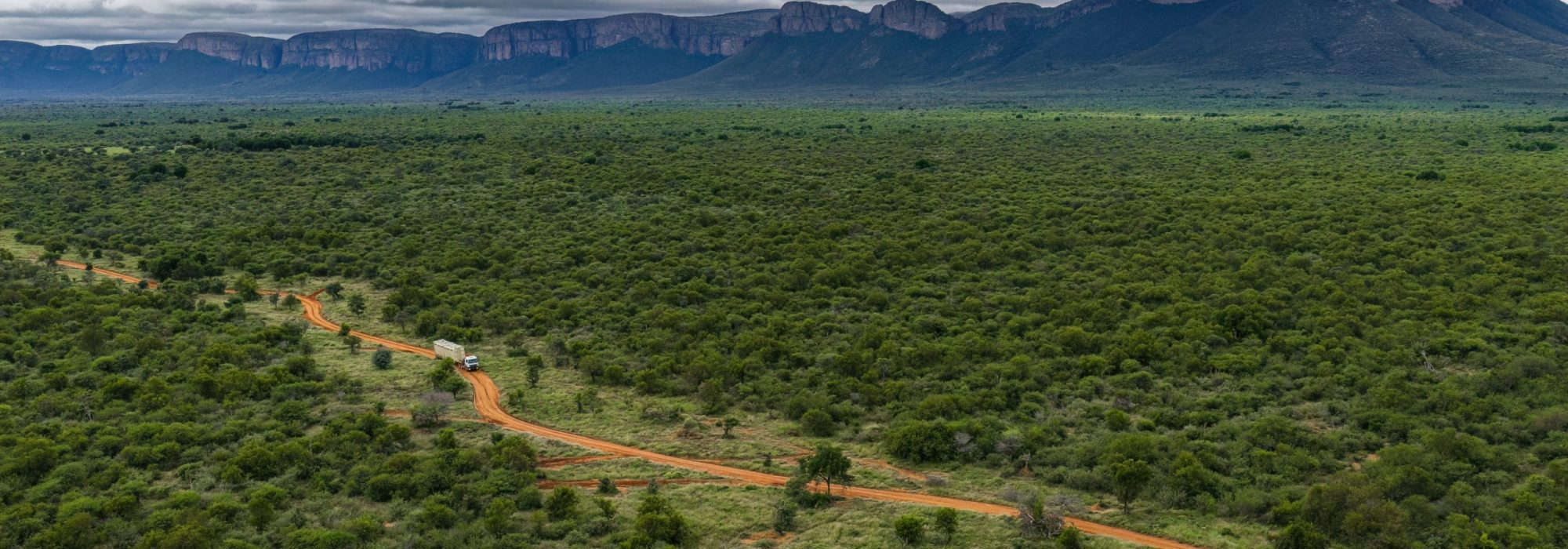
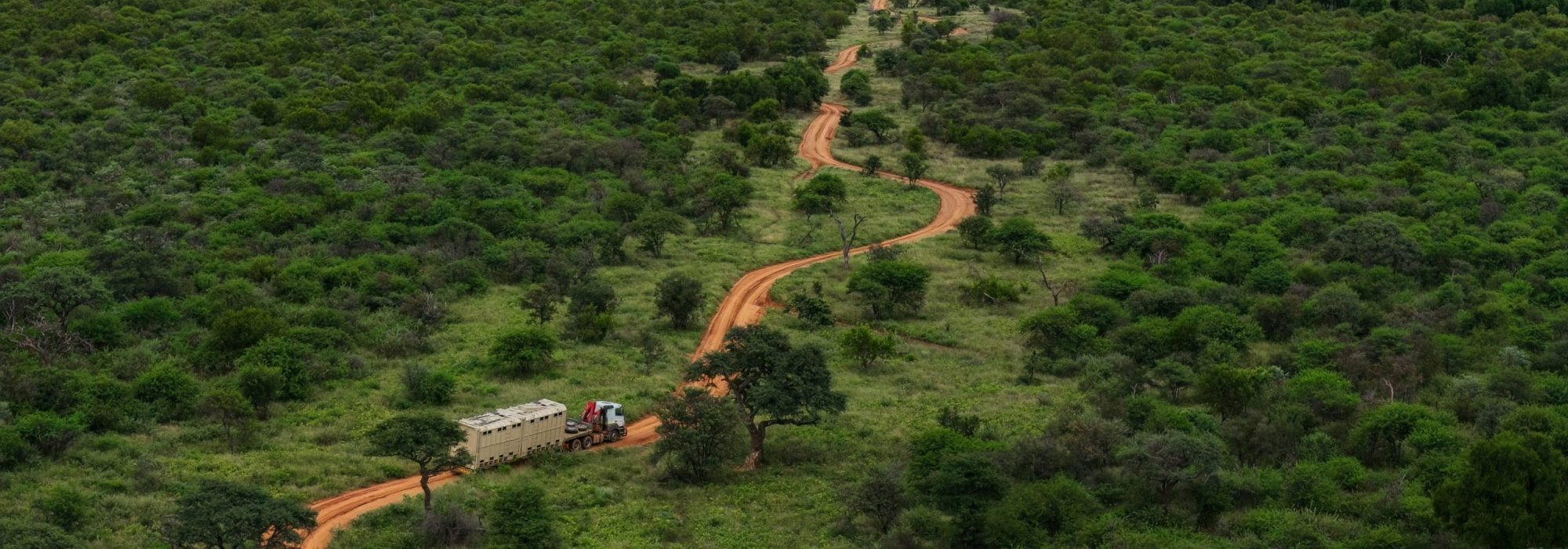
Once stabilized and all veterinary procedures, including collaring, were complete, the bulls were loaded for transport to Babanango Game Reserve in northern KwaZulu-Natal. “It’s about 750 kilometers… the trucks go slowly, and we monitor them throughout,” Collins said.
Babanango is a 20,000-hectare, majoritycommunity-owned reserve established through a partnership between local land trusts and private investors. Since 2018, the reserve has undergone large-scale ecological restoration, including the reintroduction of much of its original wildlife populations and the return of the Big Five.
“We’re increasing our numbers from 16 to 18… we have to be very careful with genetics in smaller populations,” said Ryan Andrews, Head of Conservation and Operations at Babanango Game Reserve. Most protected areas (in South Africa) are closed systems… which means we have to actively manage both the animals and the landscape,” Collins said.
Translocations function as a form of managed migration, a human-driven process to preserve genetic diversity among isolated populations. Besides genetics, maintaining structure is equally critical. Smaller populations risk becoming static, and adding new bulls can help reintroduce natural dynamics.
Upon arrival, the bulls were offloaded and released under controlled conditions. Long-acting tranquilizers remained active during the initial release, reducing stress as the animals adjusted to unfamiliar terrain and boundaries. Post-release monitoring will track movement and integration. Collars allow teams to assess range use, interactions, and adaptation over time.
Across southern Africa, wildlife exists within a fragmented network of fenced reserves. Moving animals is one of the most effective ways to manage populations. This translocation was a collaboration between Wildlife Emergency Fund, WeWild Africa, Marataba Game Reserve, Babanango Game Reserve, Conservation Outcomes, and Conservation Solutions.