





















Our Partners & Collaborators
Munywana Conservancy
Longhill Game Reserve
Conservation Solutions
Fisher Foundation
Wildlife Emergency Fund
Photos and Video: Wiki West
Completing the Herd: Elephant Bulls Join Longhill’s New Family
Last year, a cohesive family group of five elephants was successfully moved from Asante Sana Game Reserve in the Karoo to Longhill Private Reserve in the Addo region of the Eastern Cape. The reserve previously had no elephants, marking an important expansion of the elephant range in the province.
Owned and managed by the Biggs family, Longhill Reserve has become an important conservation area in the Addo landscape. Internal fencing was removed in 2018, and the reserve has since reintroduced species such as cheetah and buffalo, with plans for rhino and brown hyena in the future.
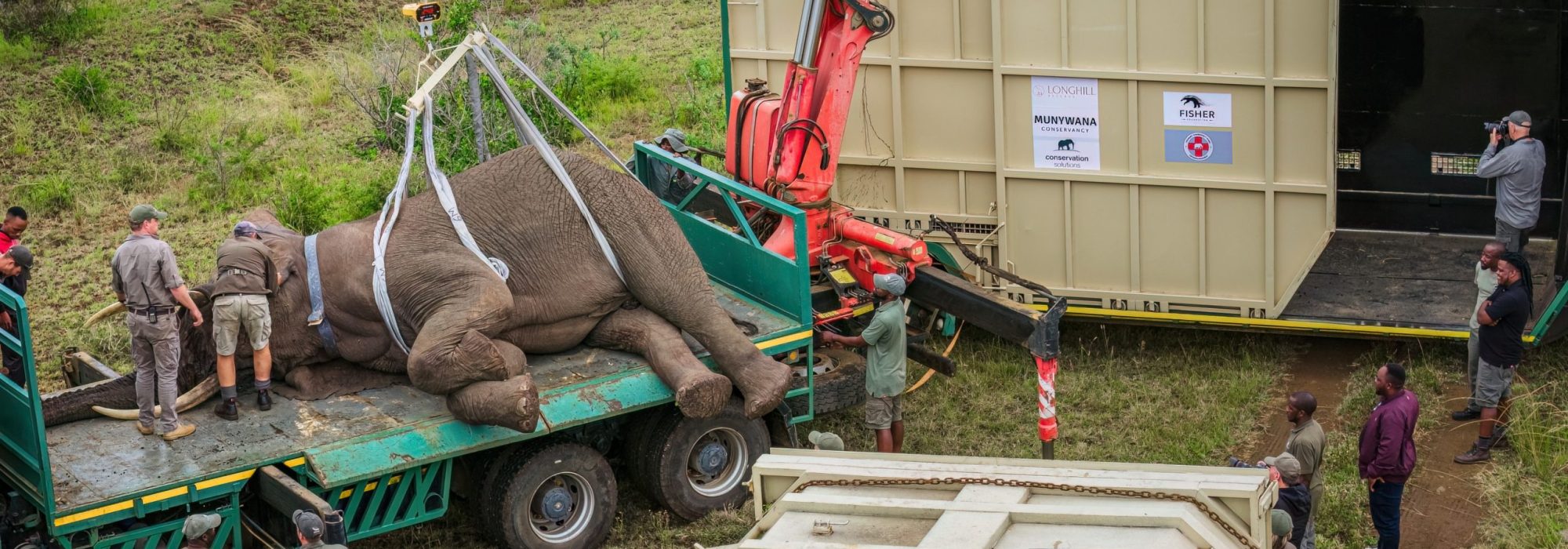
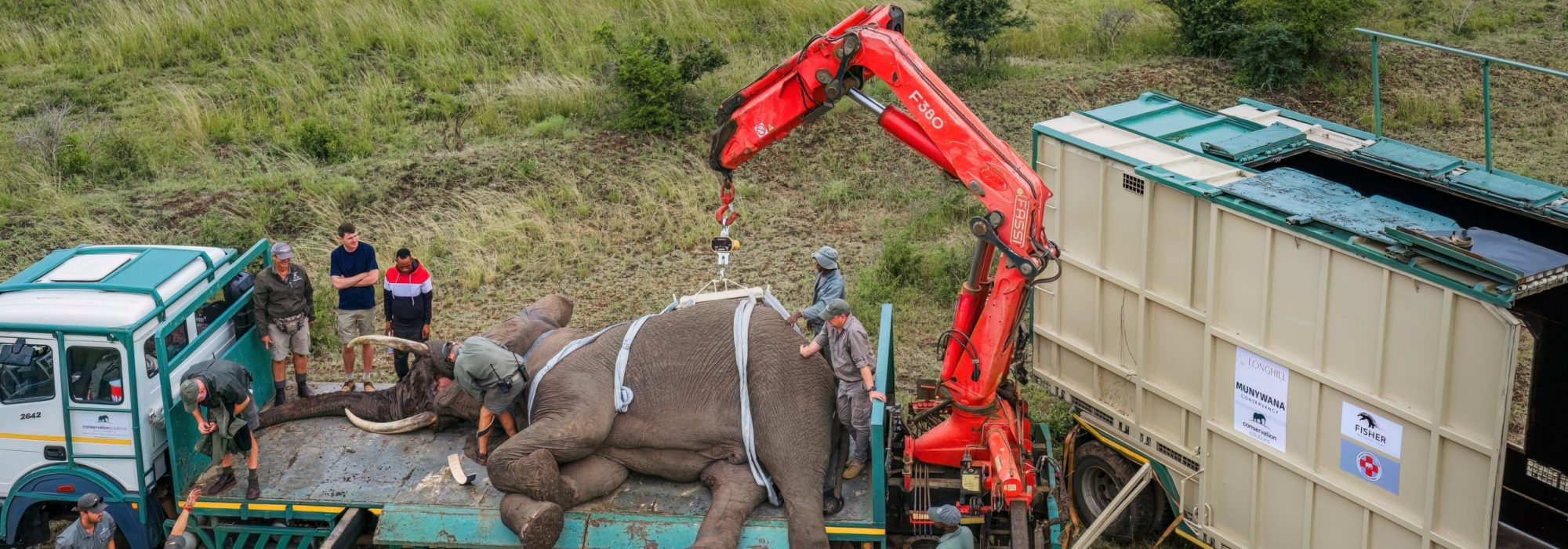
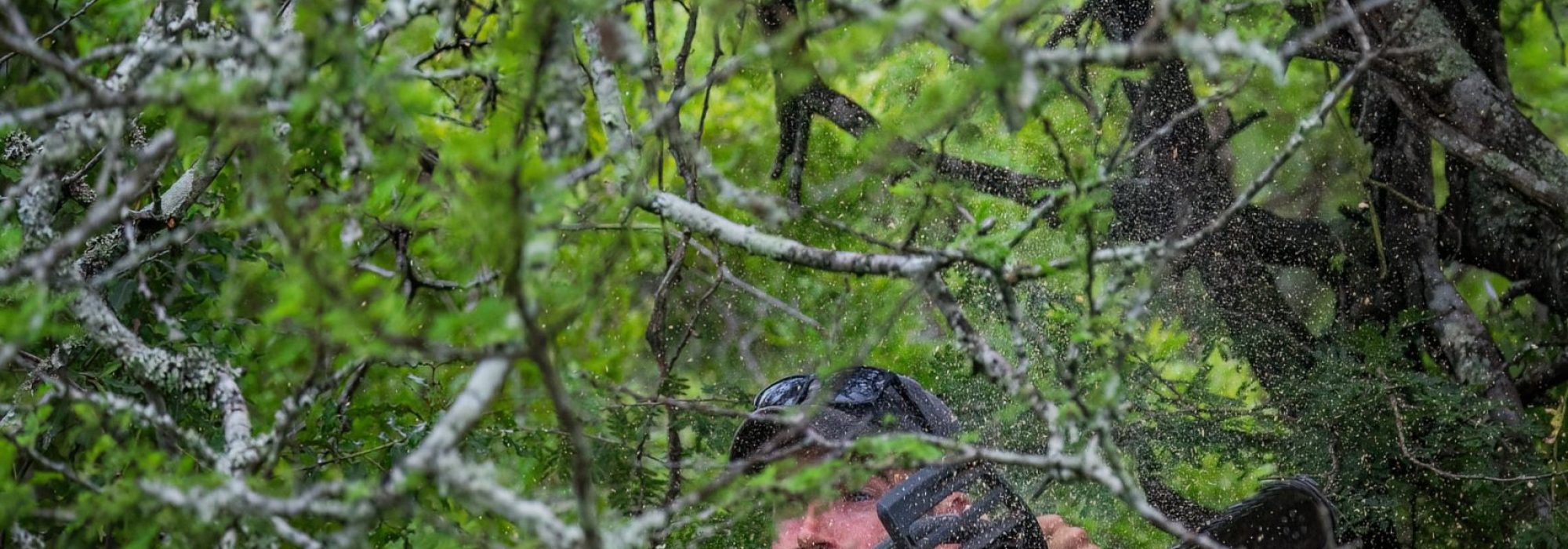
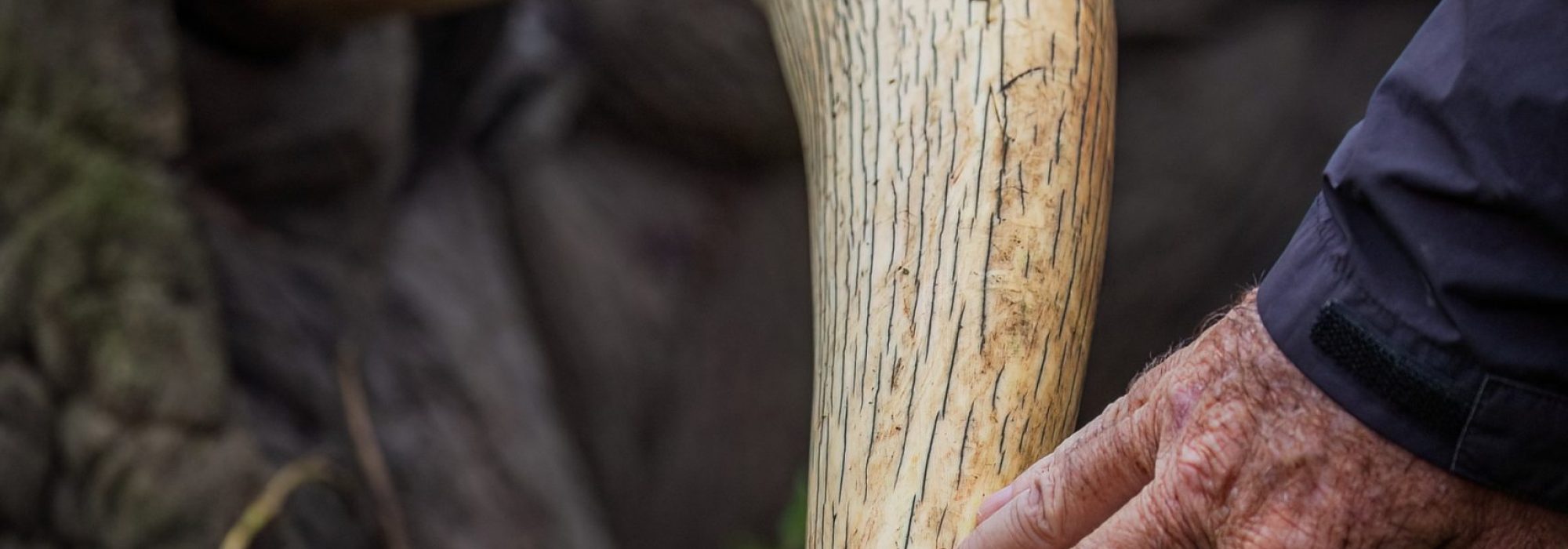
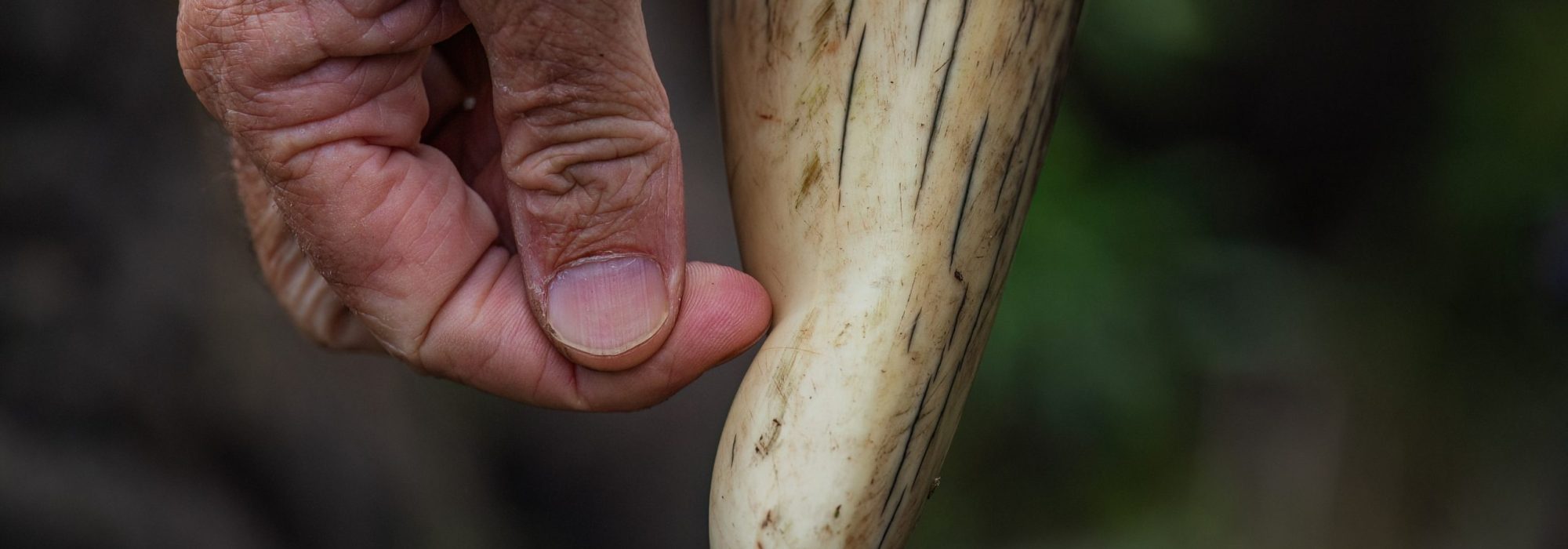
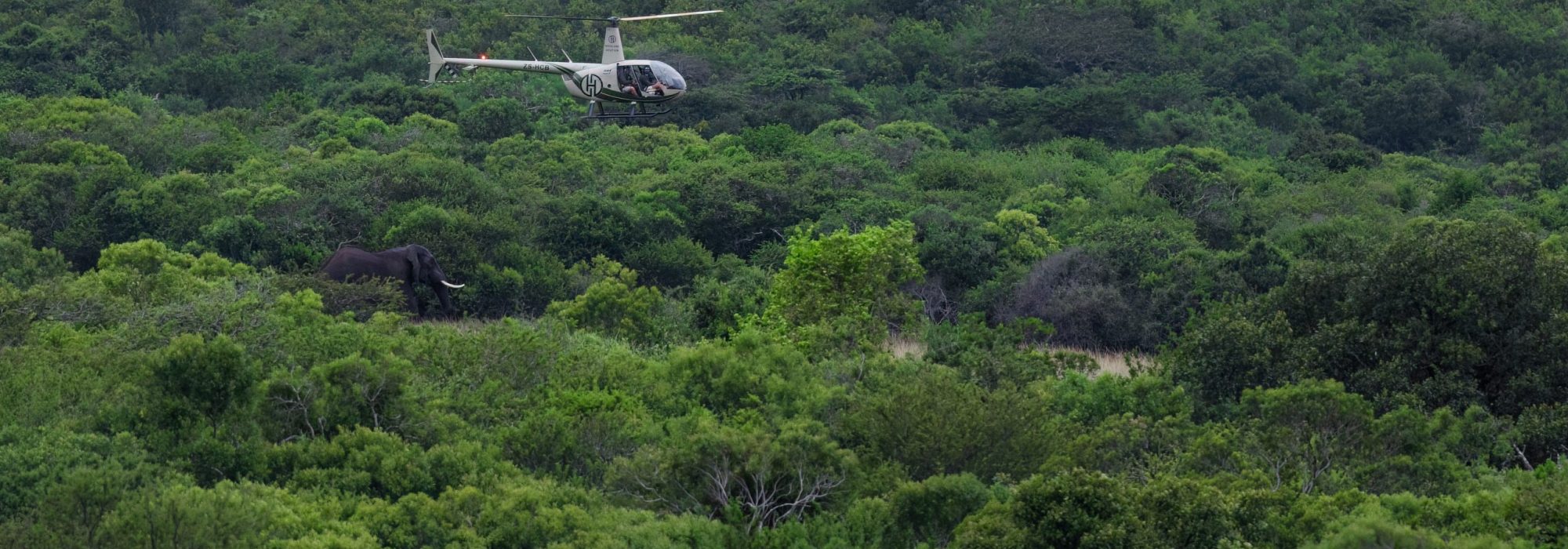
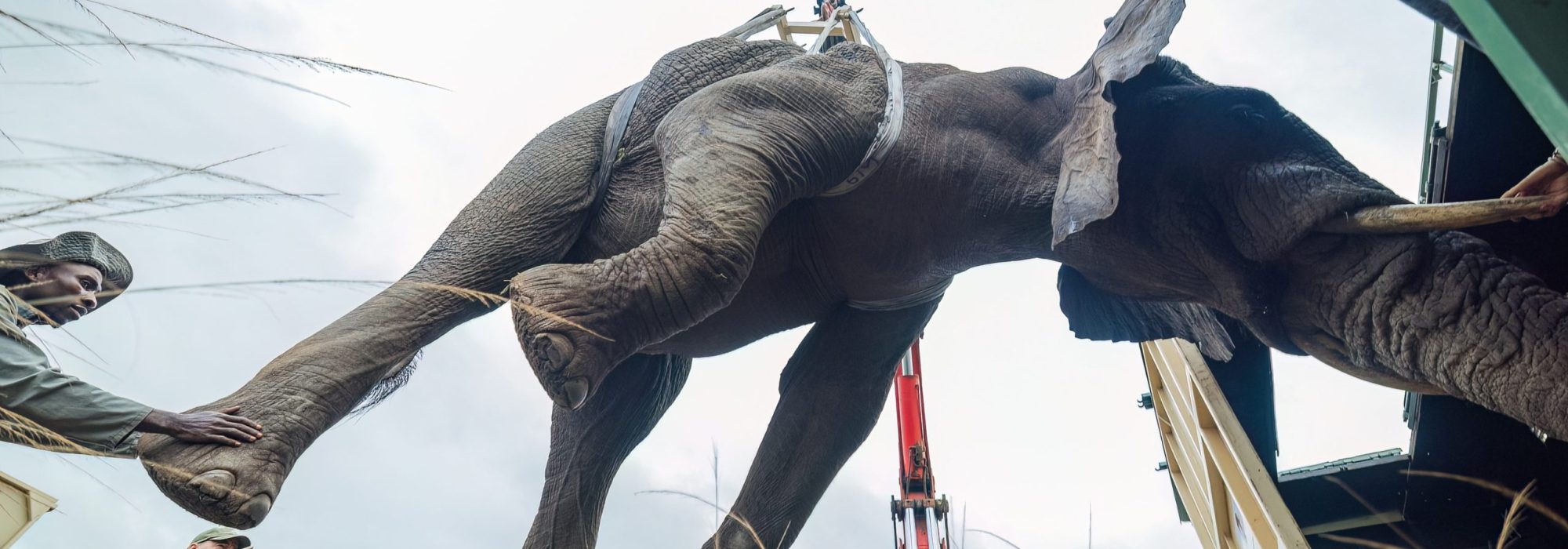
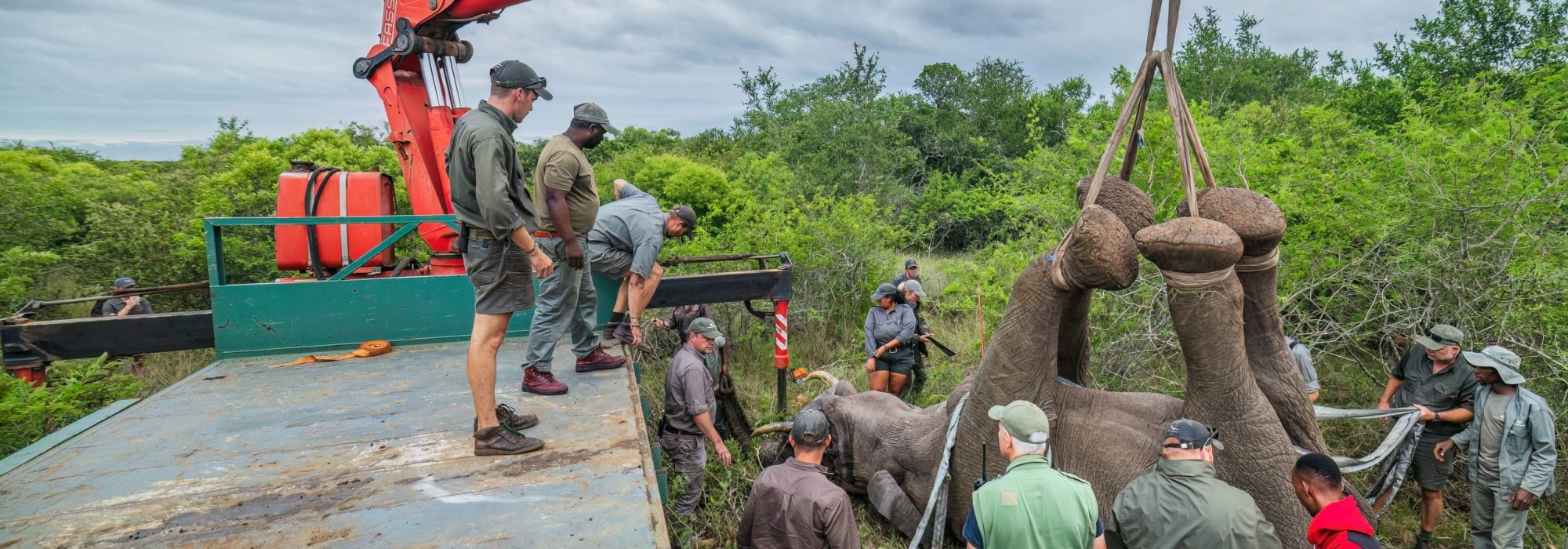
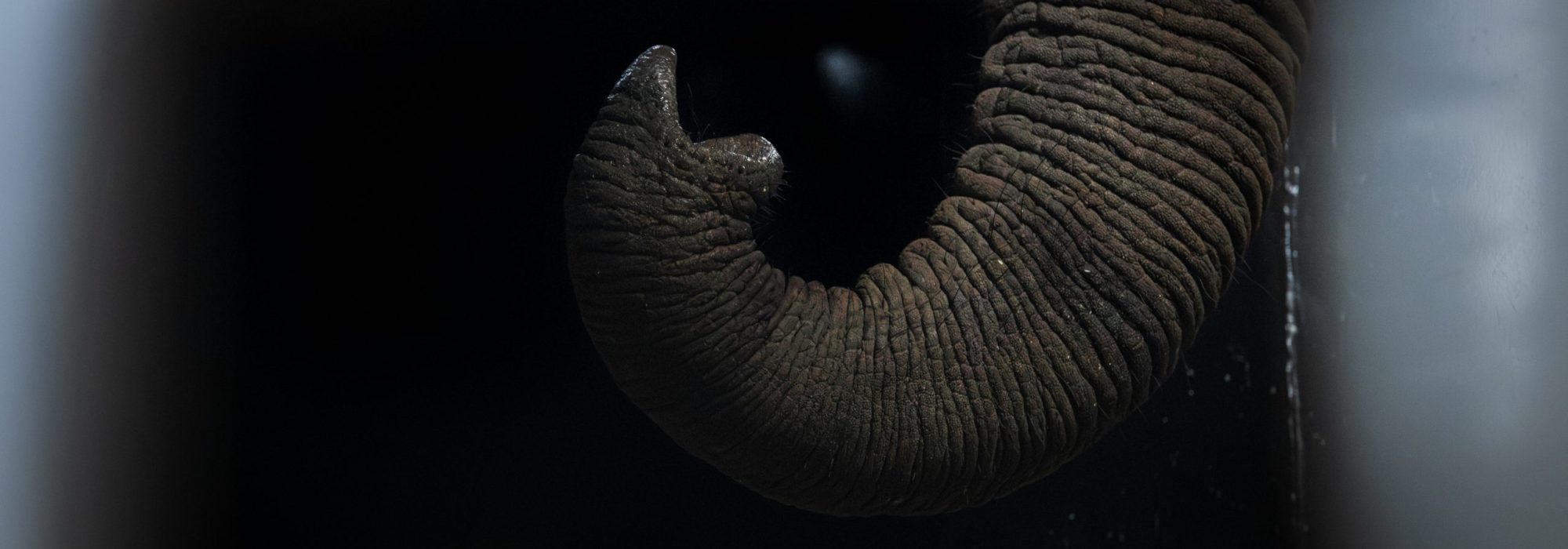
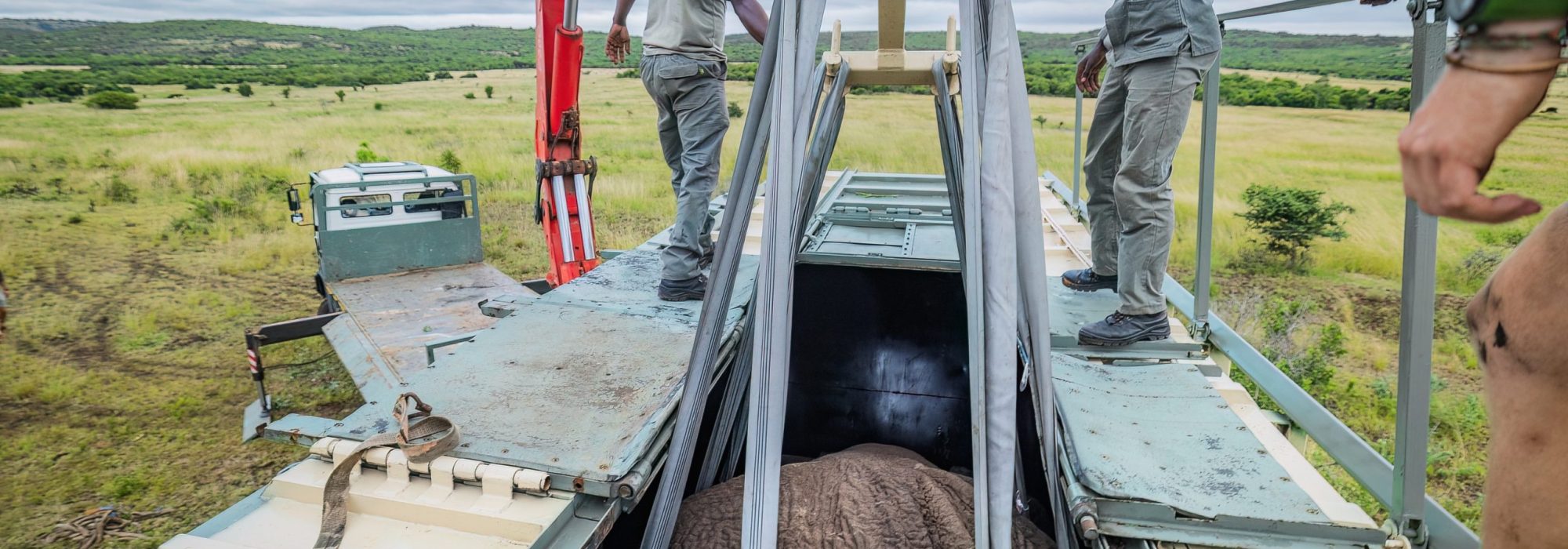
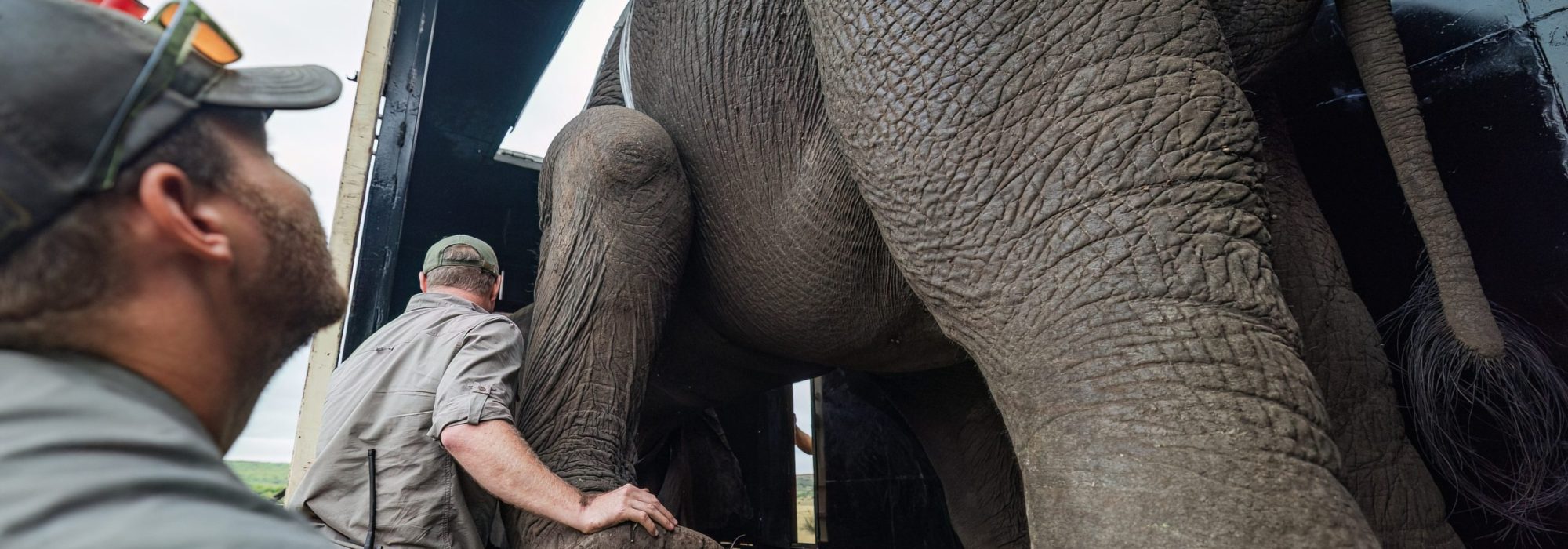
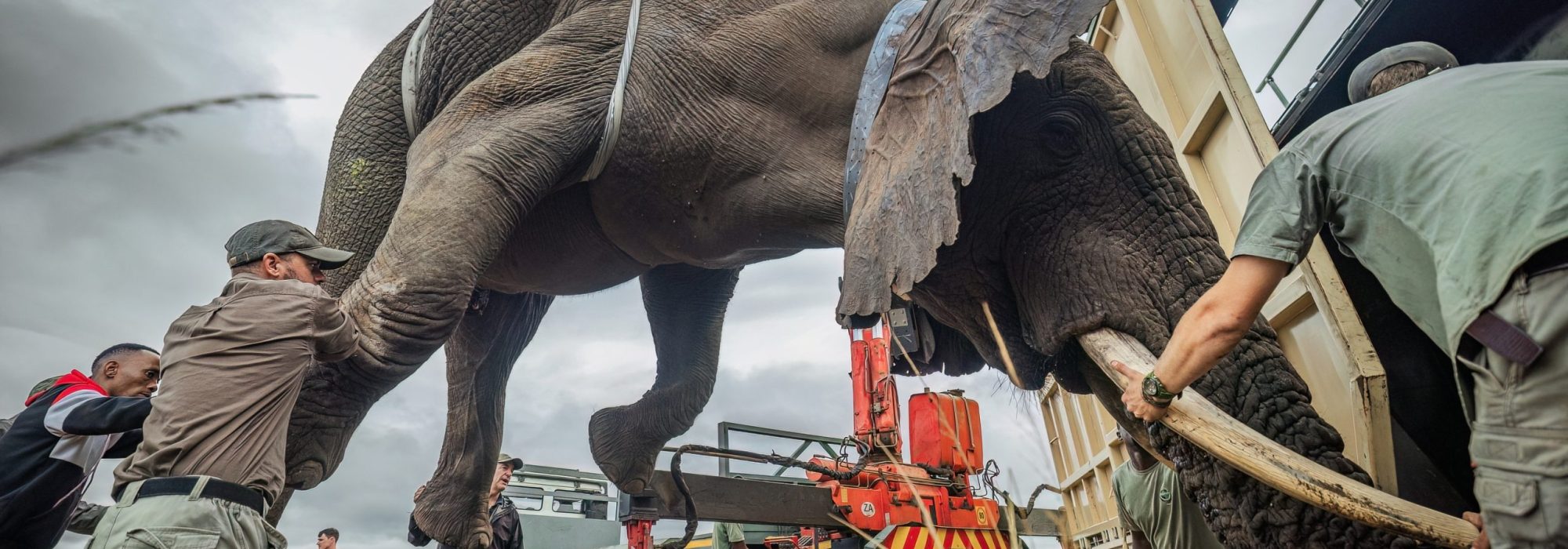
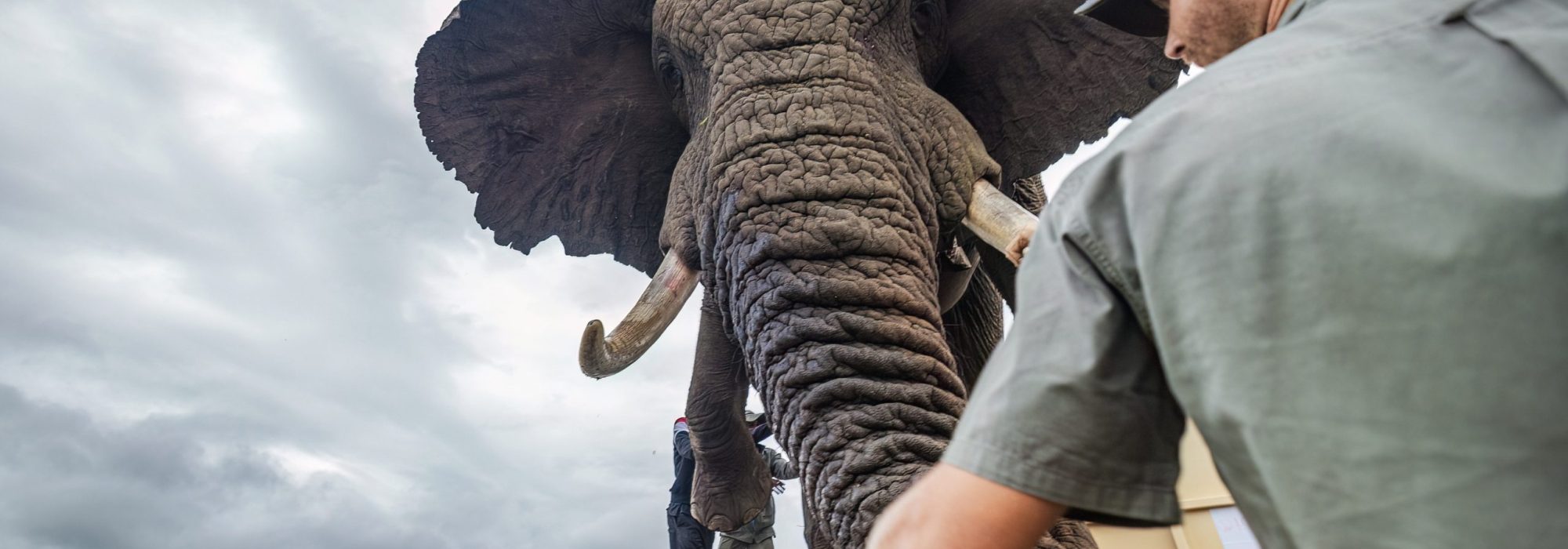
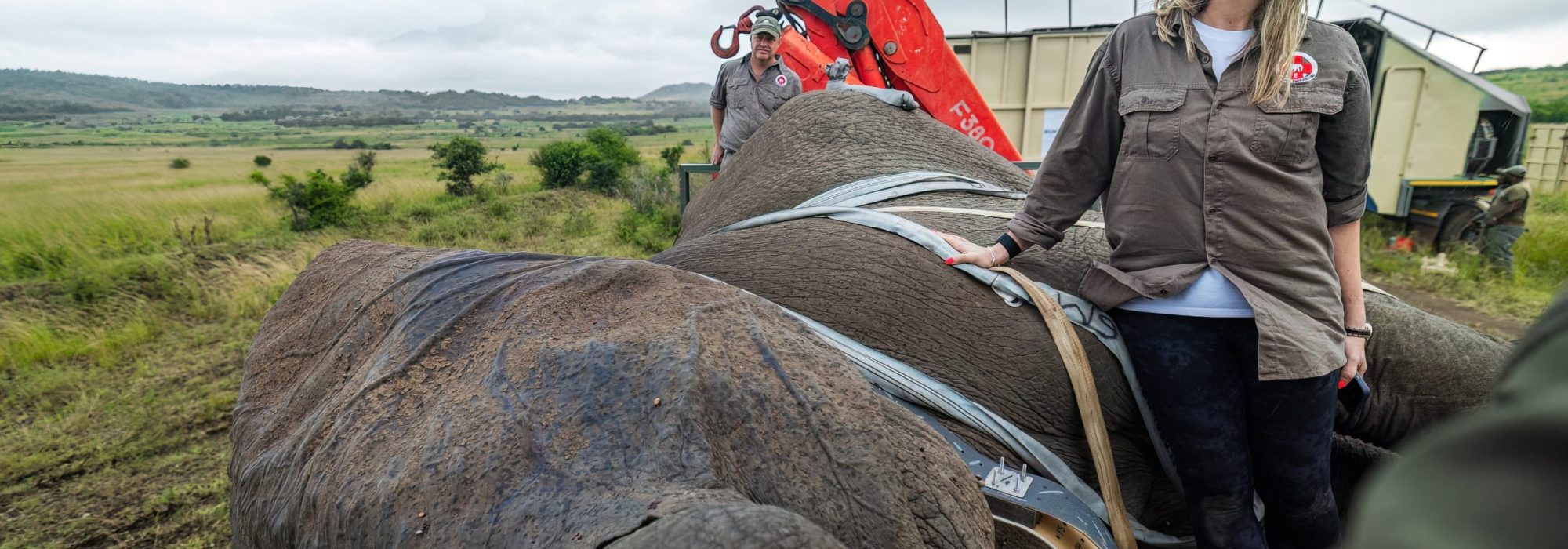
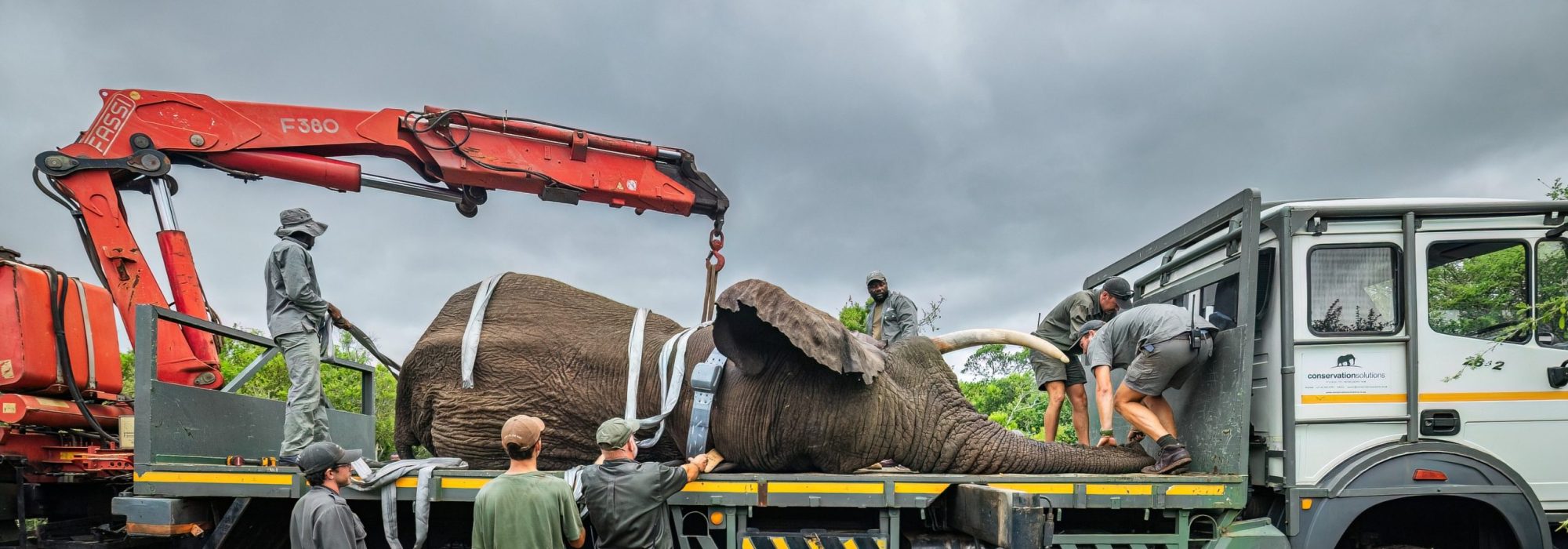
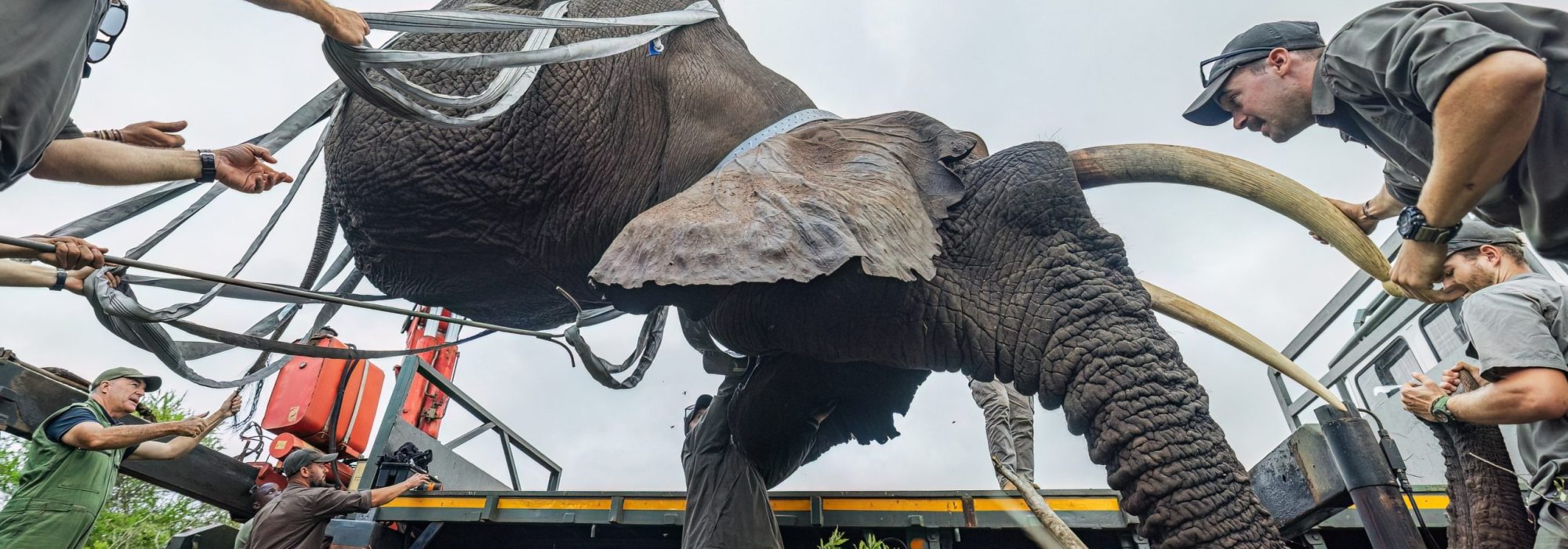
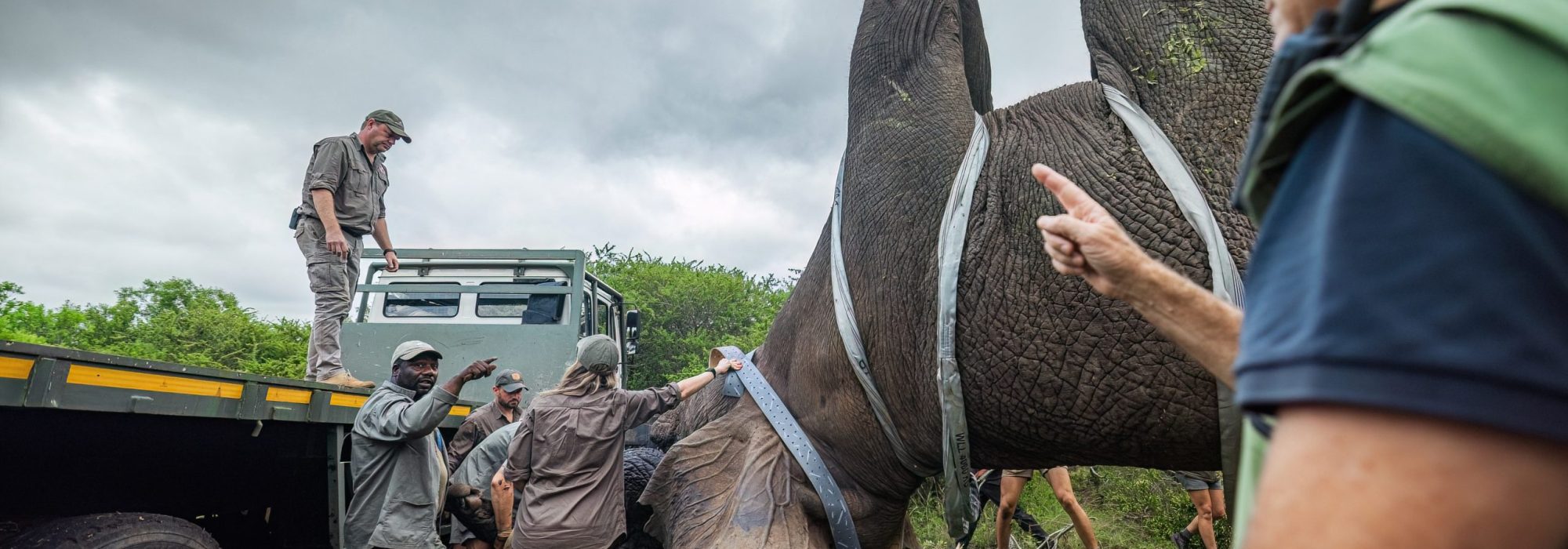
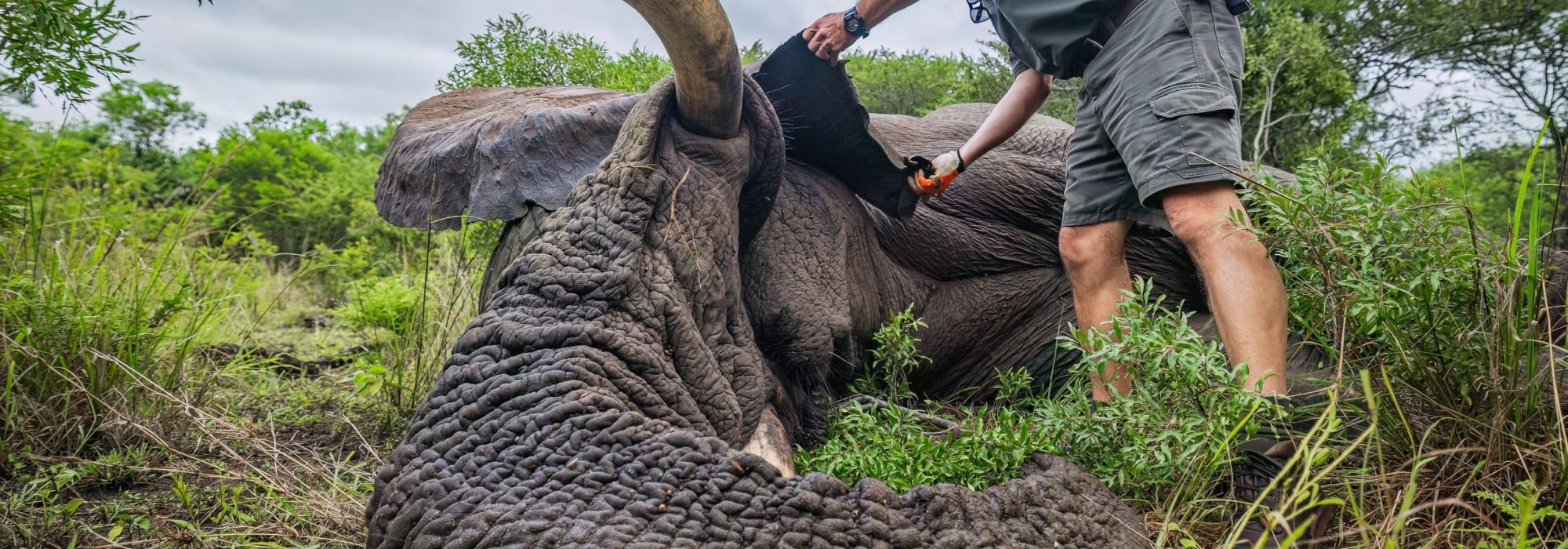
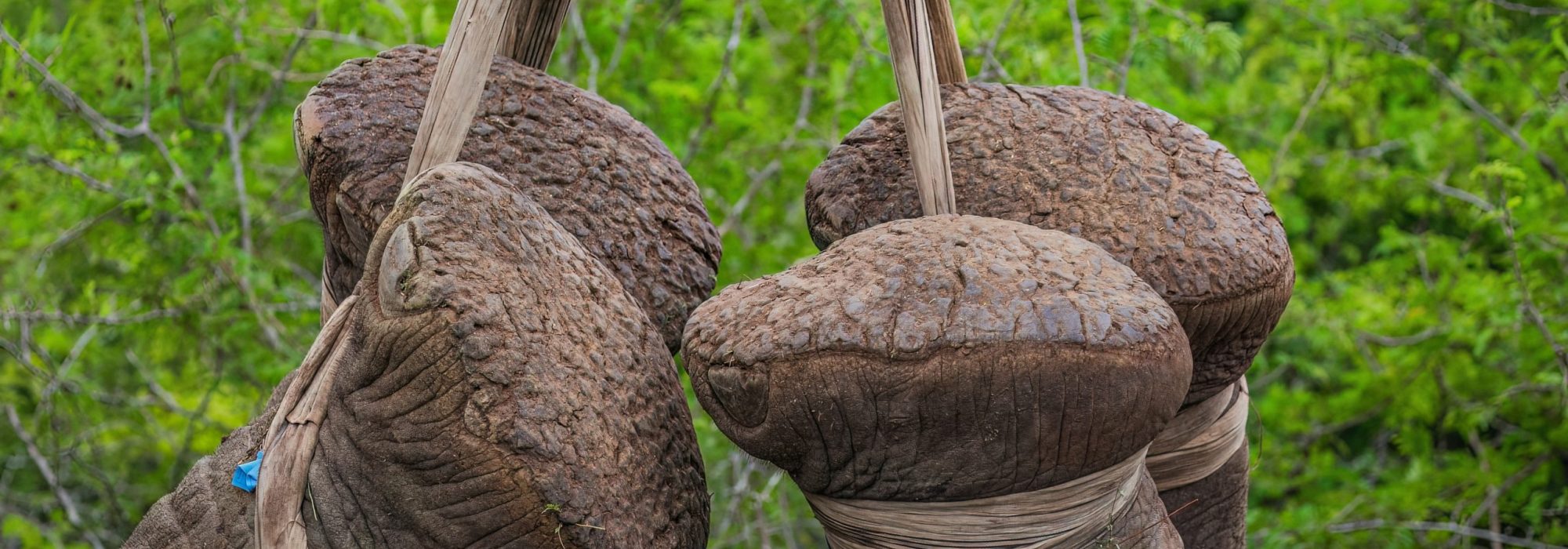
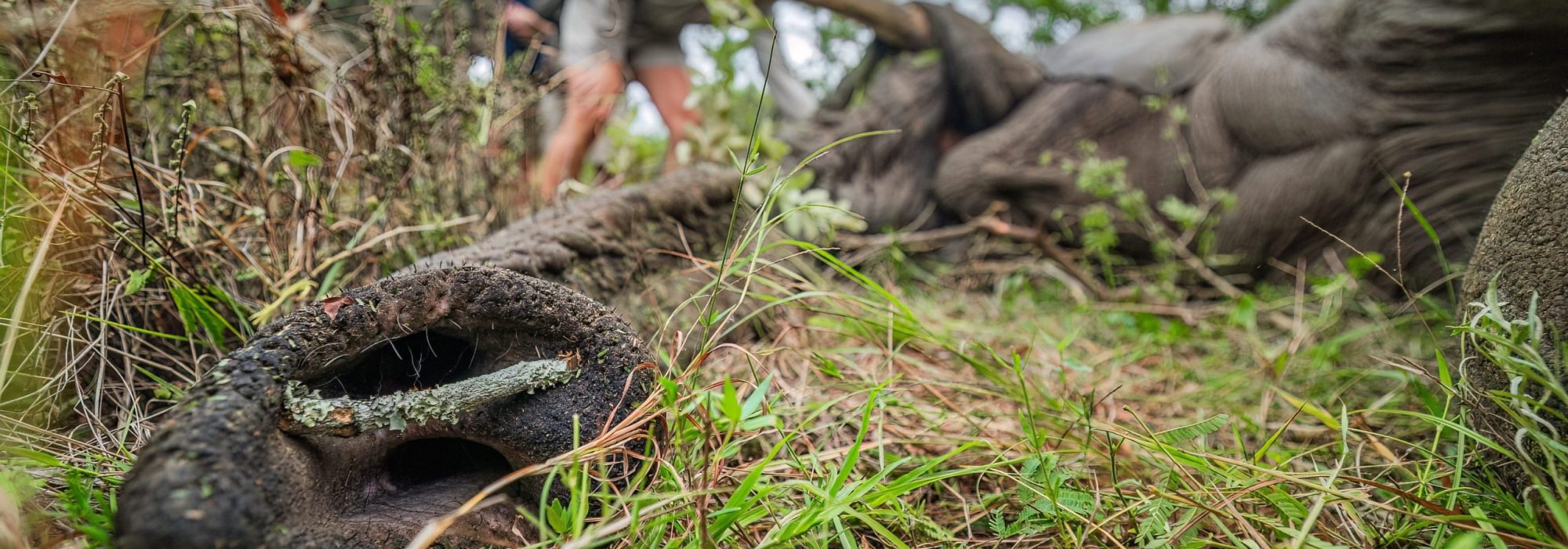
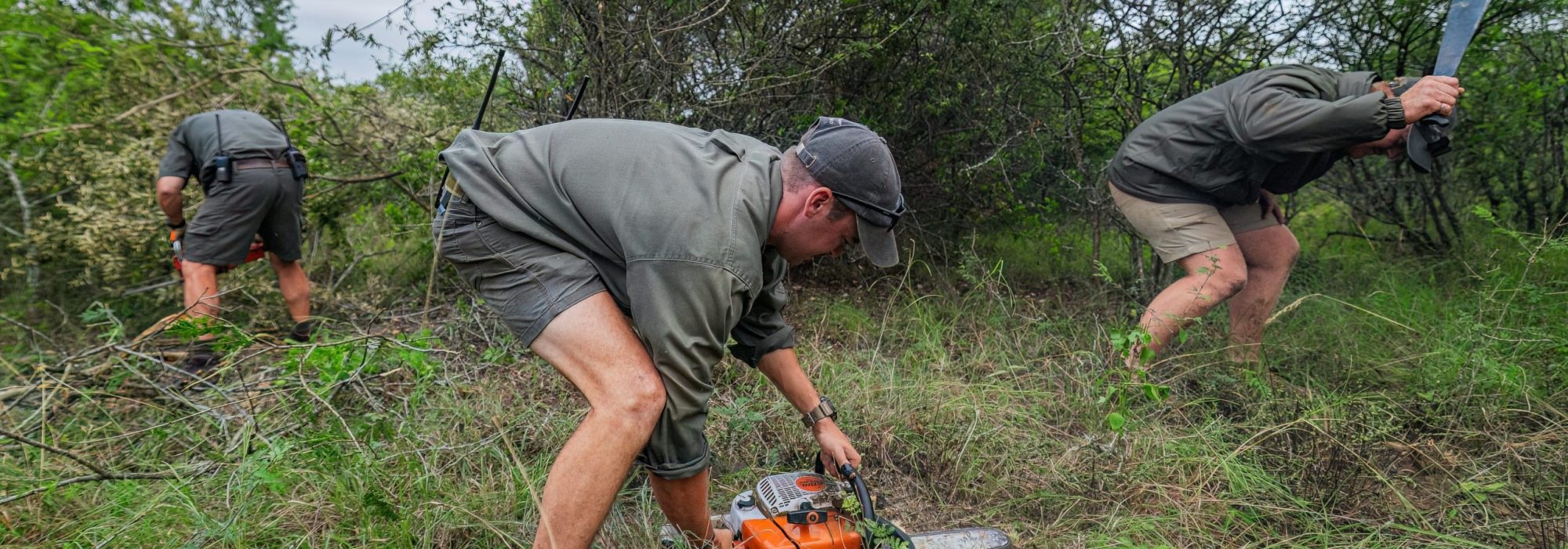
With the herd now settled into their new home, the next step in establishing a sustainable population was introducing adult males. In the first week of March, a team of wildlife capture specialists successfully captured and translocated two elephant bulls from the Munywana Conservancy in KwaZulu-Natal to Longhill Reserve. The two bulls, one mature dominant bull and a younger bull, will complete the herd and facilitate natural breeding dynamics.
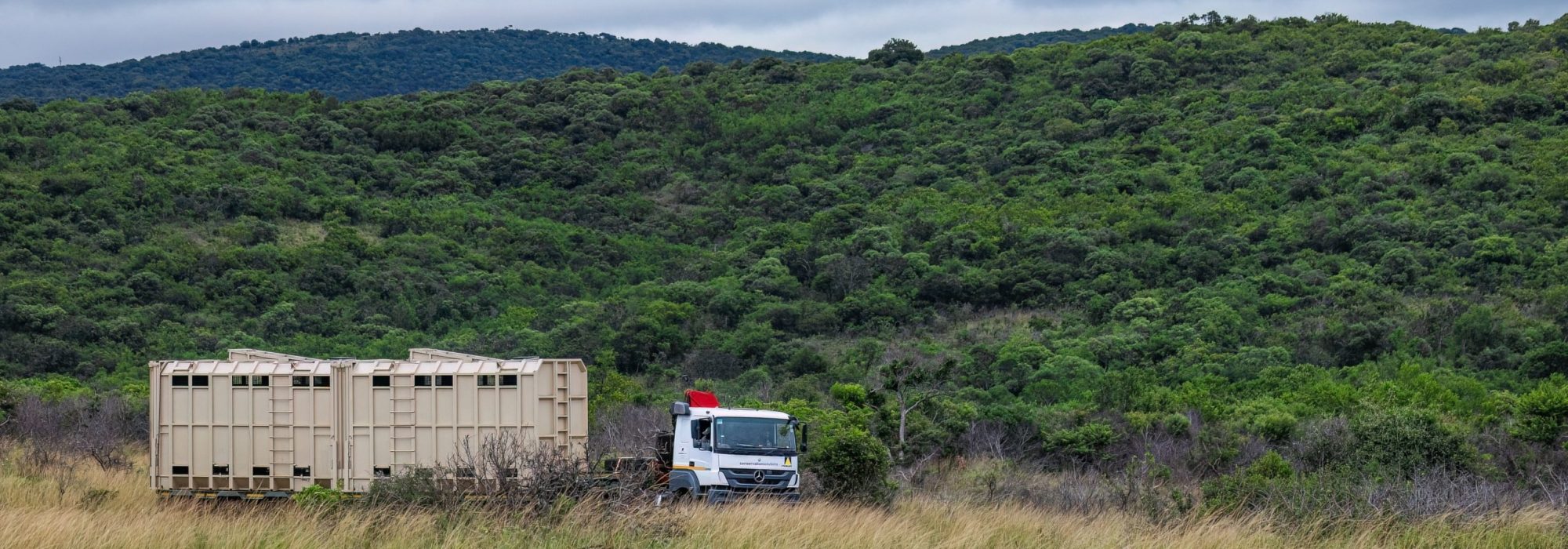
The translocation involved a 1,300-kilometre road journey to the Eastern Cape.
Grant Leversha of the Fisher Foundation, which supported last year’s and this year’s operations, said: “For more than 150 years, the Longhill area had not seen elephants, so this is a meaningful step in restoring elephants to that landscape.”
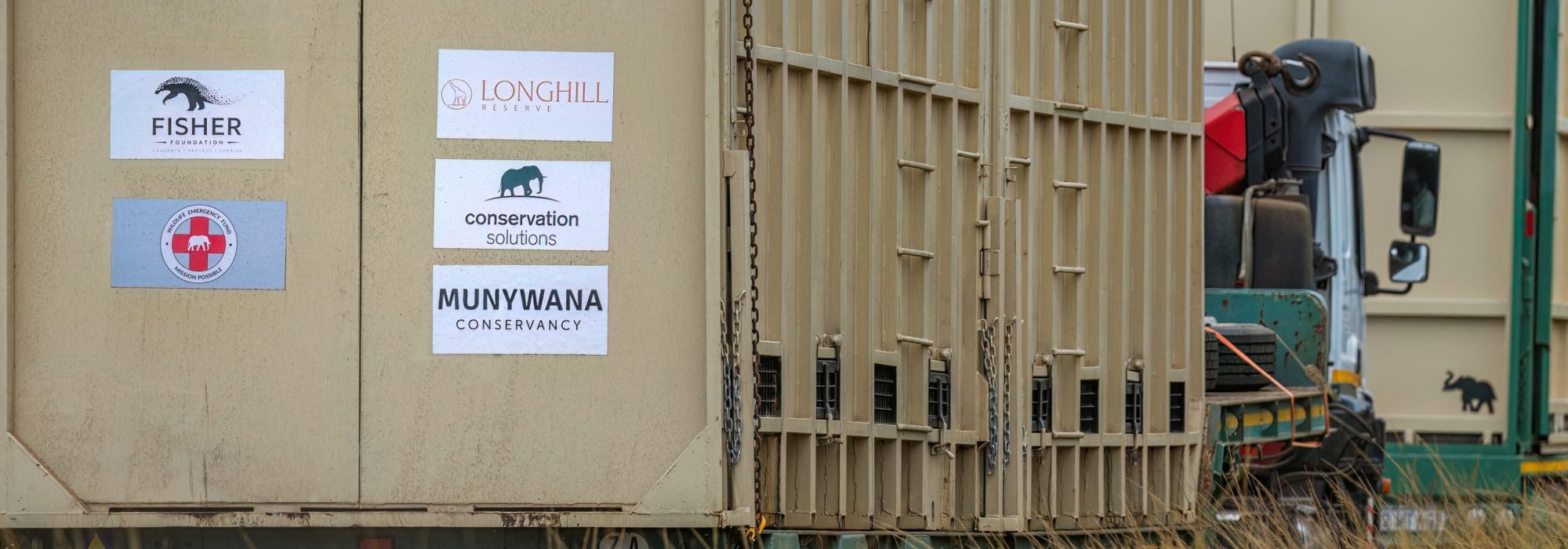
The operation was carried out in collaboration among the Fisher Foundation, the Wildlife Emergency Fund, Conservation Solutions, Munywana Conservancy, and Longhill Reserve.
“About a year ago, we translocated a family herd of elephants to Longhill Game Reserve, and they’ve adapted very well,” said Mark Gilham of the Wildlife Emergency Fund. “The herd there is currently just females and younger elephants, so the matriarch needs a good bull. These two bulls will complete that herd and support future breeding.”
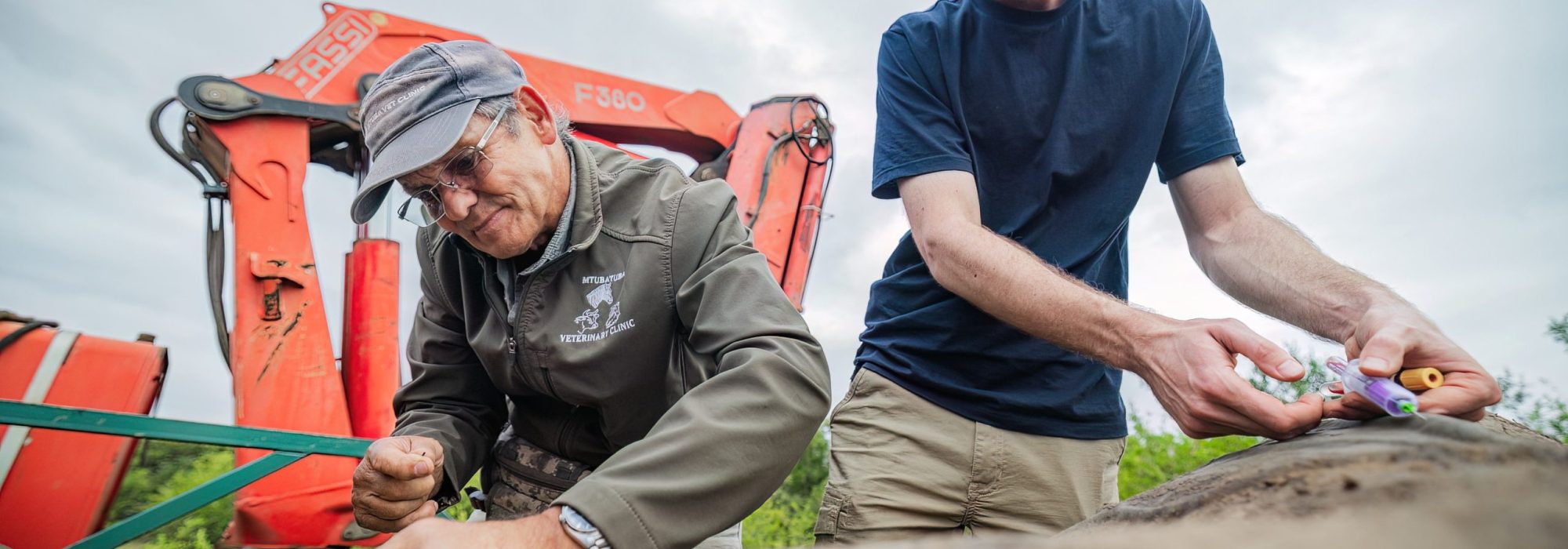
Wildlife veterinarian Dr. Trevor explained the careful process involved in safely moving animals of this size.
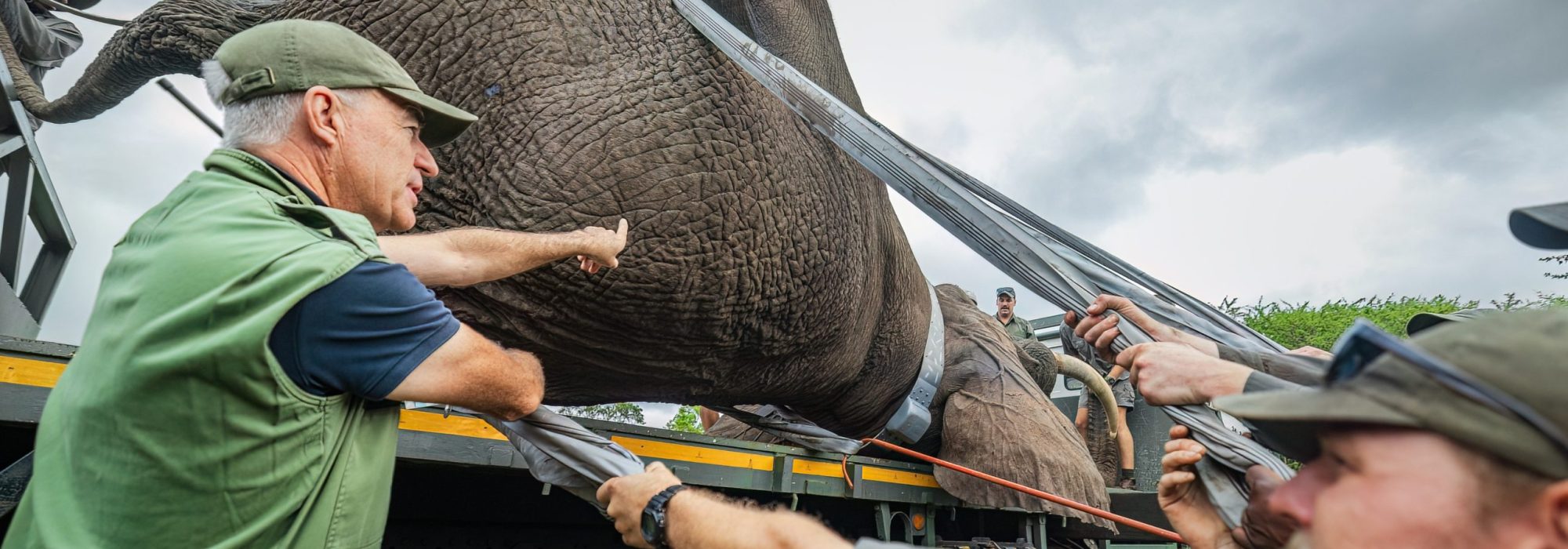
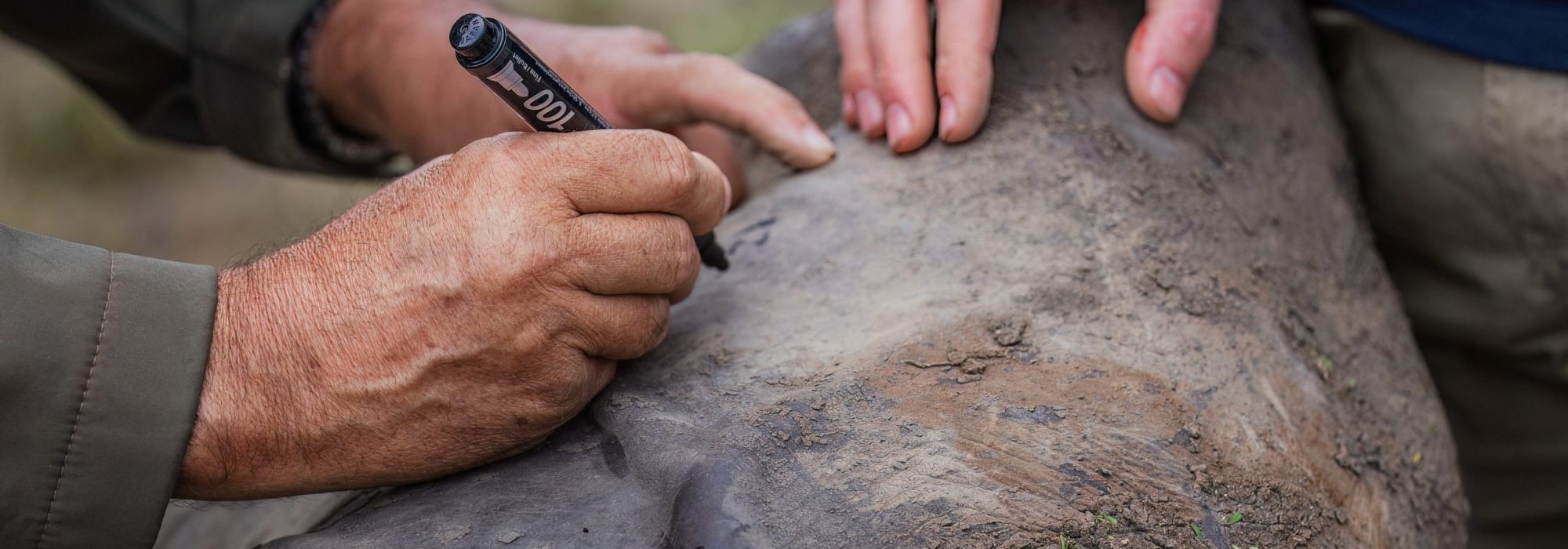
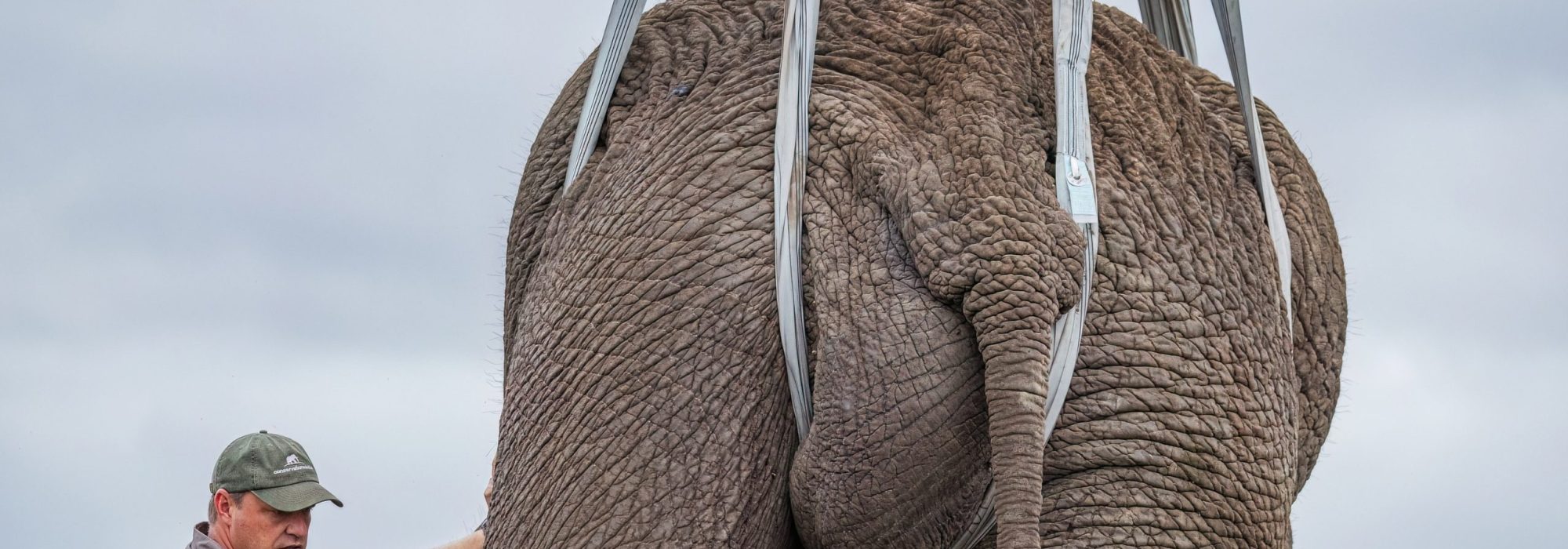
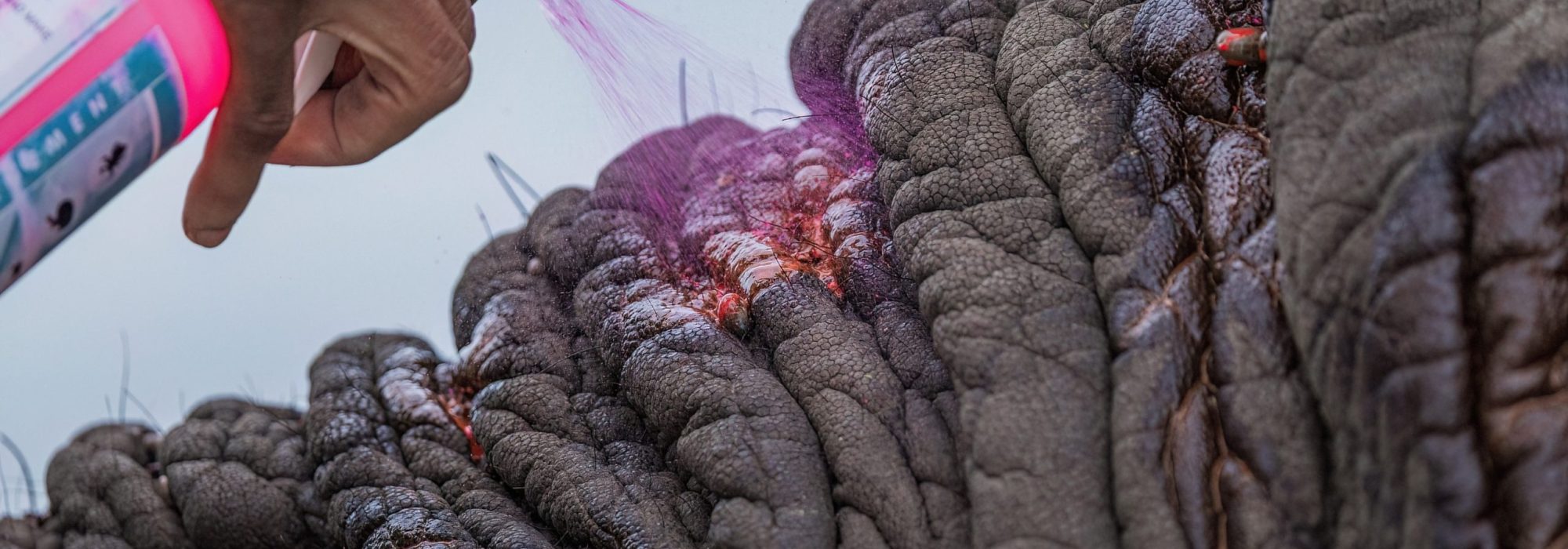
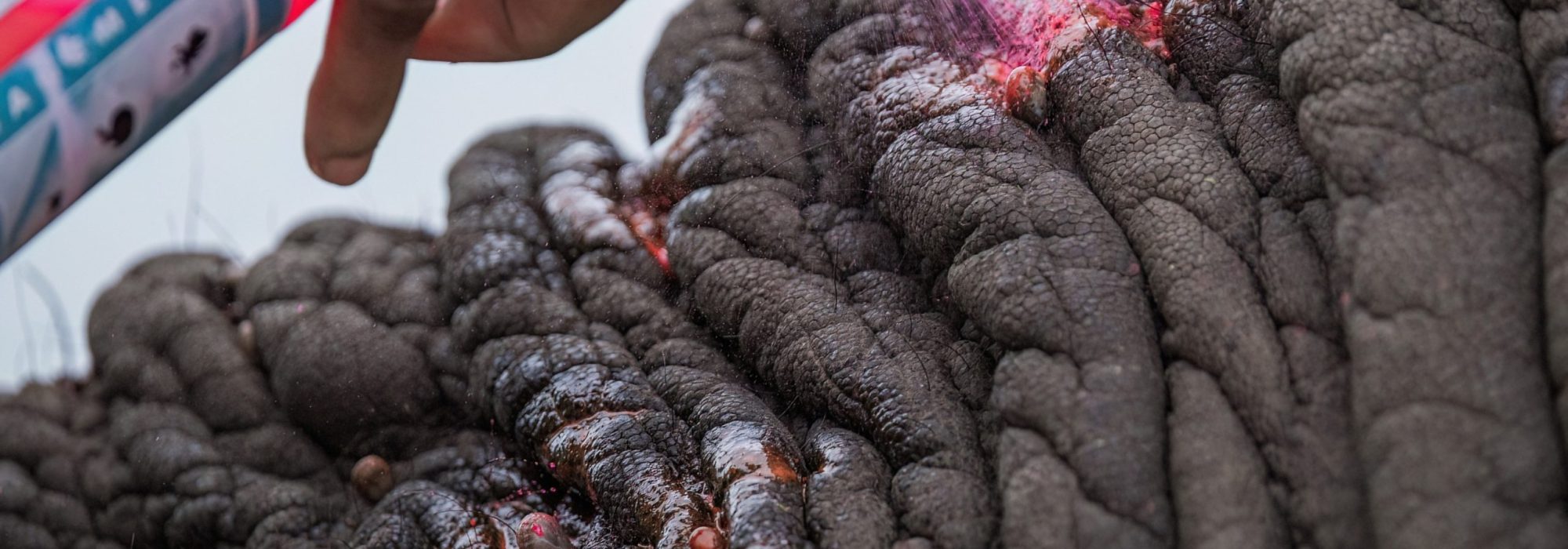
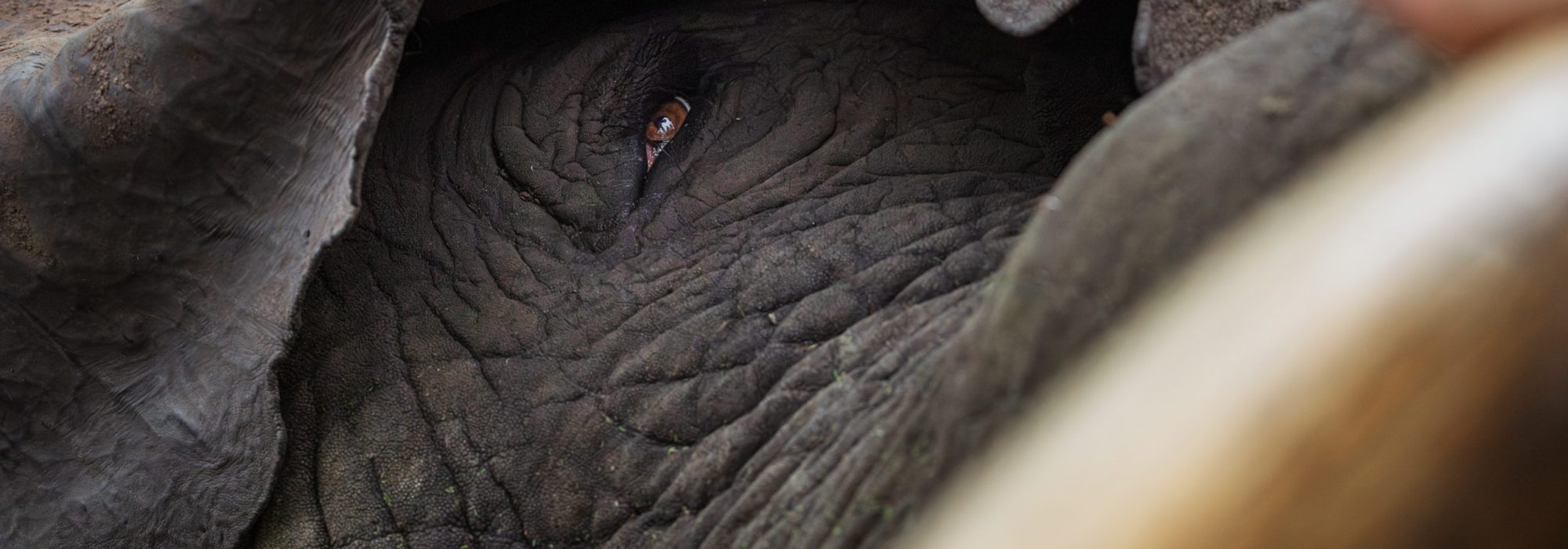
“The dart goes in, and the animal takes about ten minutes before it goes down. Once the elephant is down, it’s normally fine for about 45 minutes to an hour after the initial dart, but after that, you have to top it up to keep it sedated for transport and cross-loading into the crate,” said Trevor.
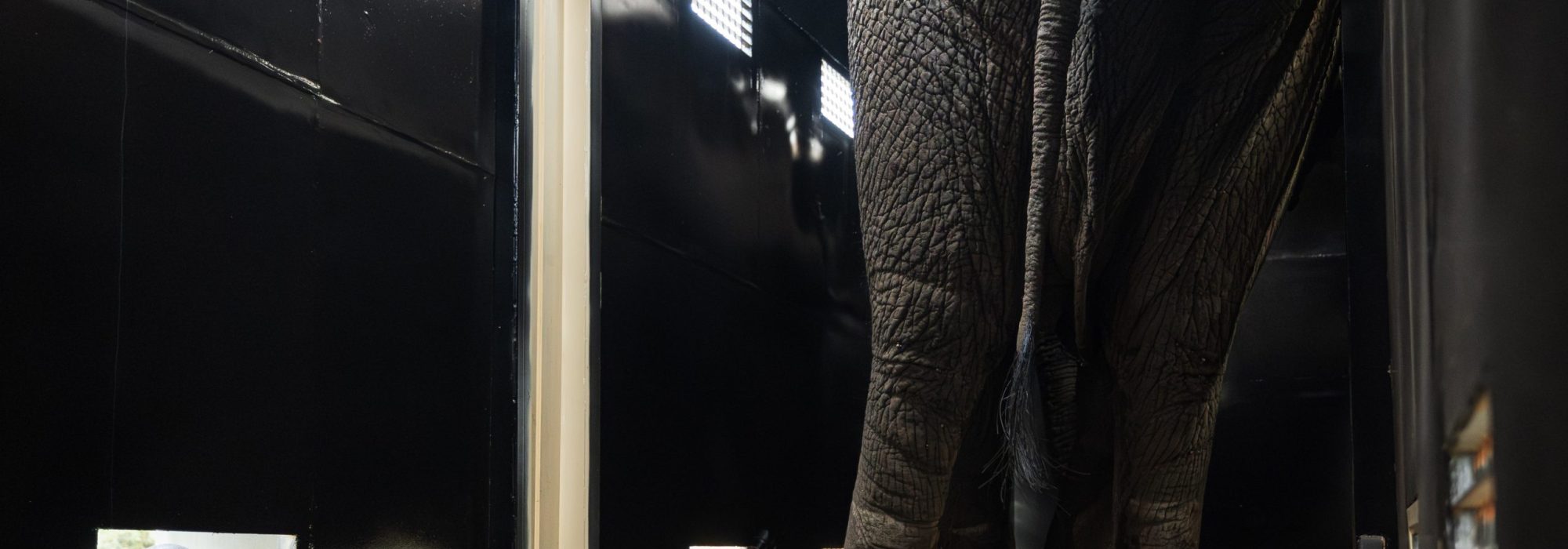
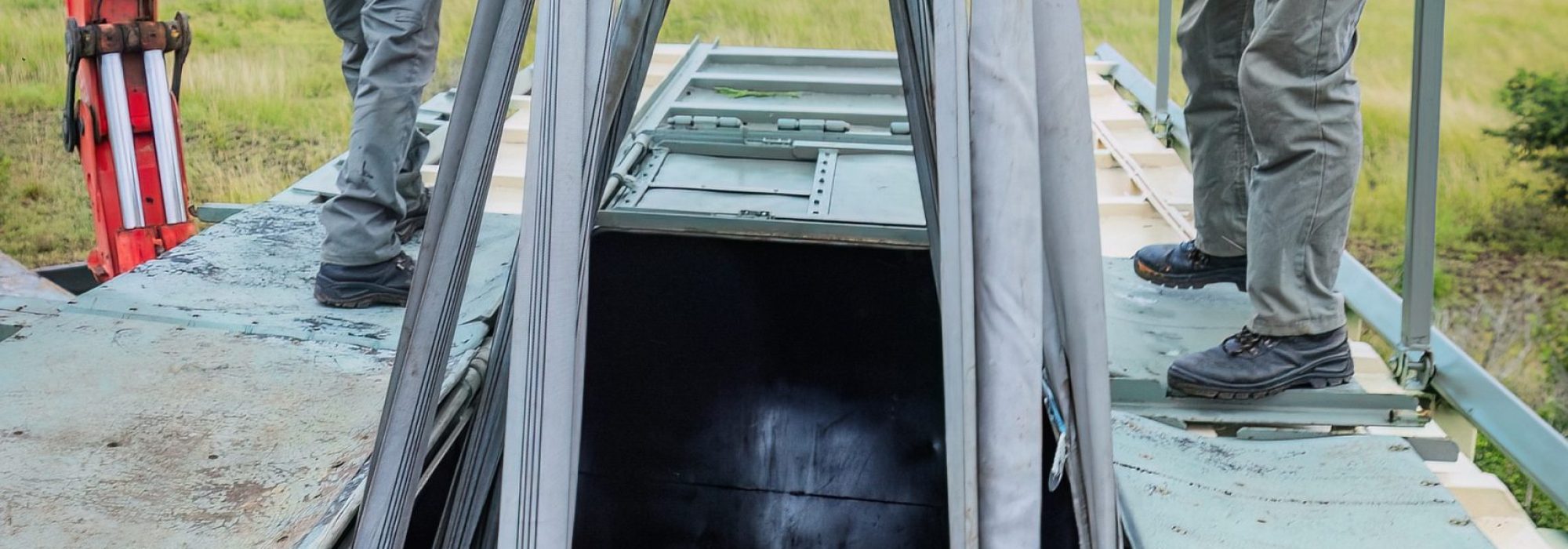
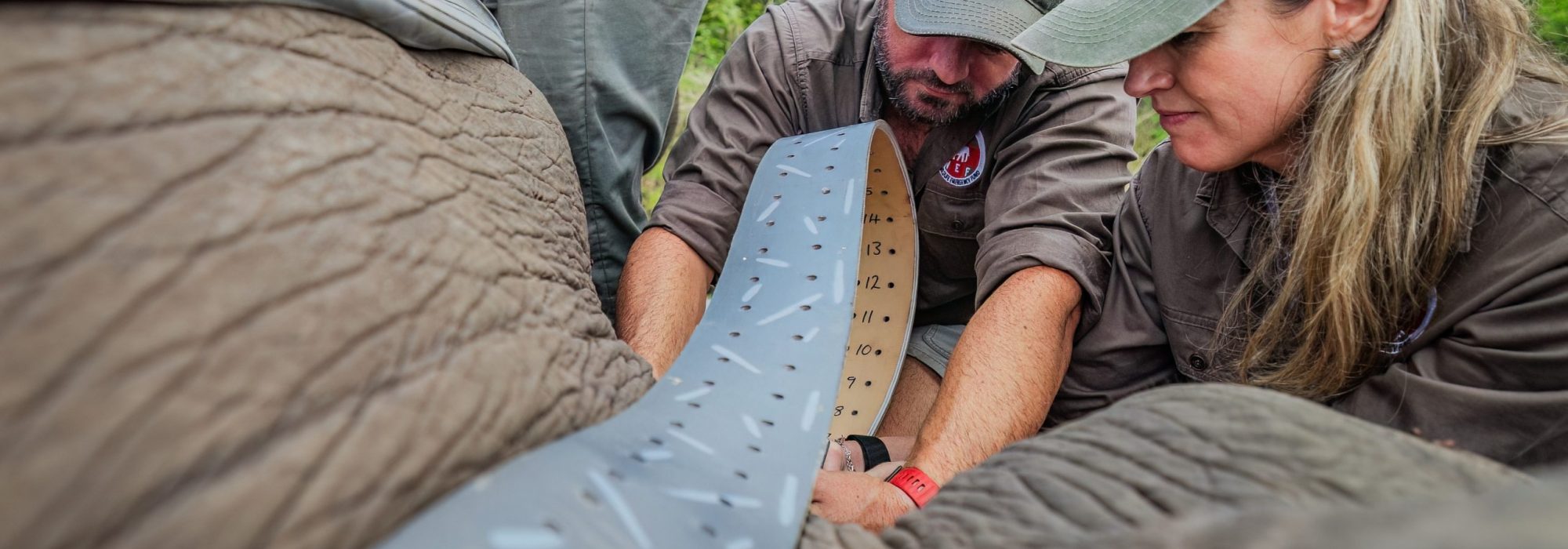
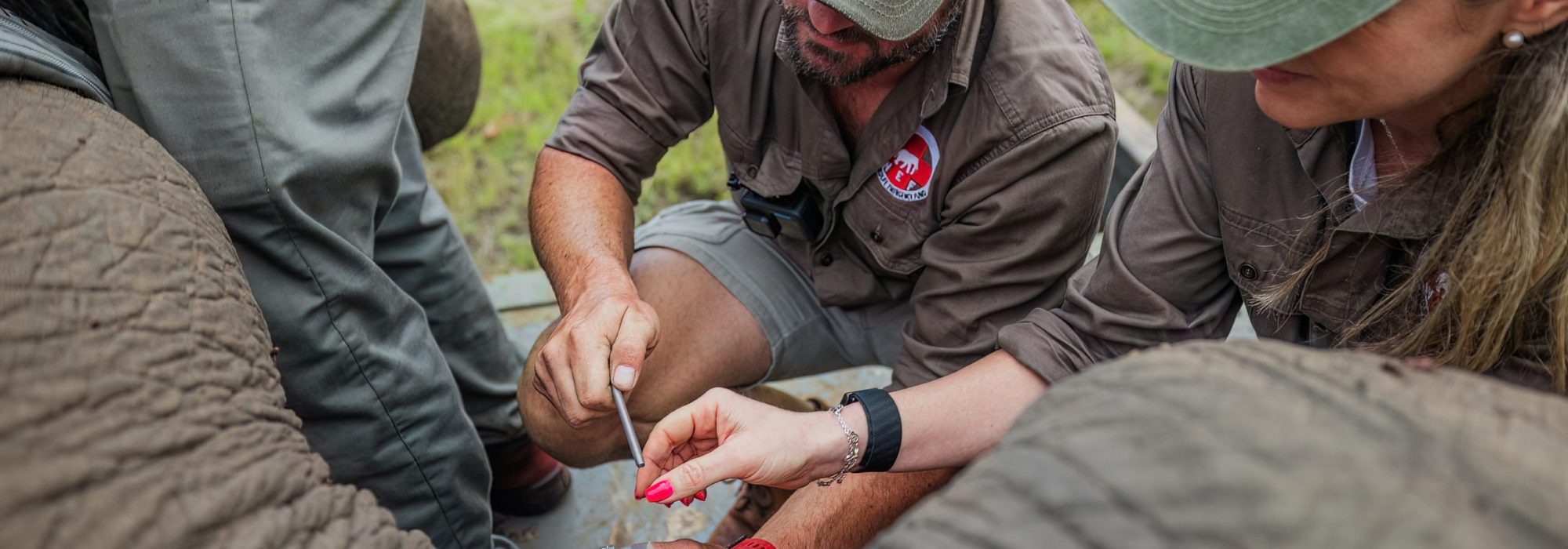
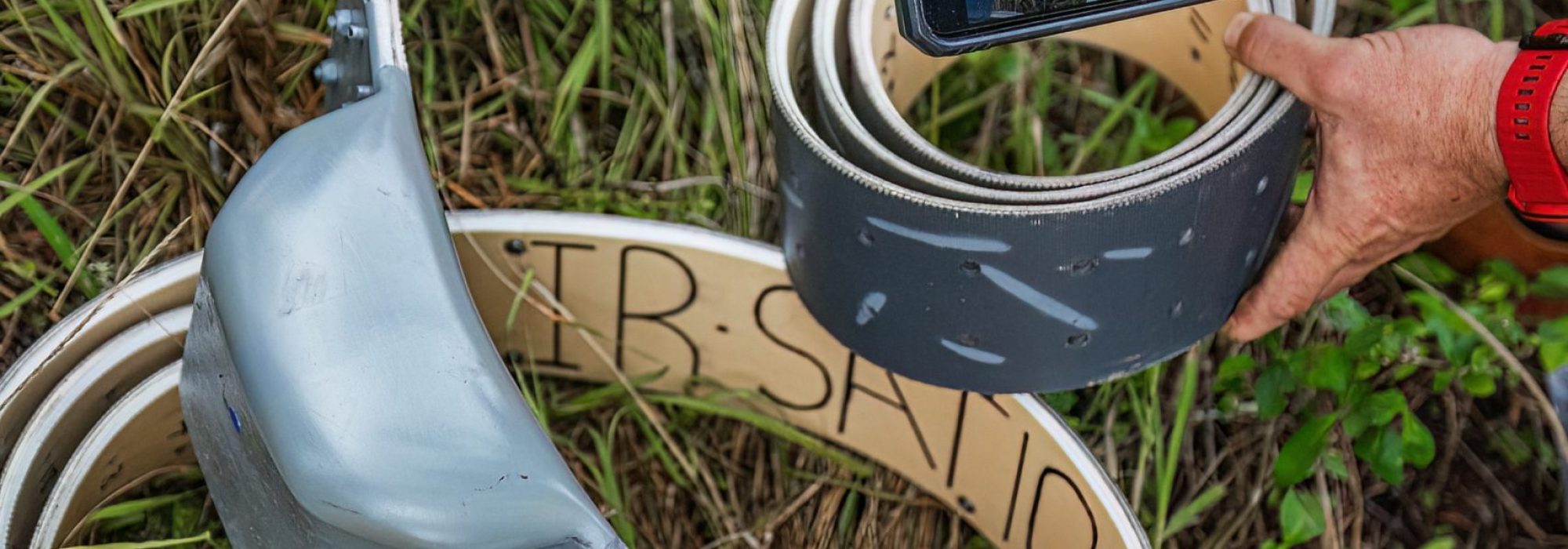
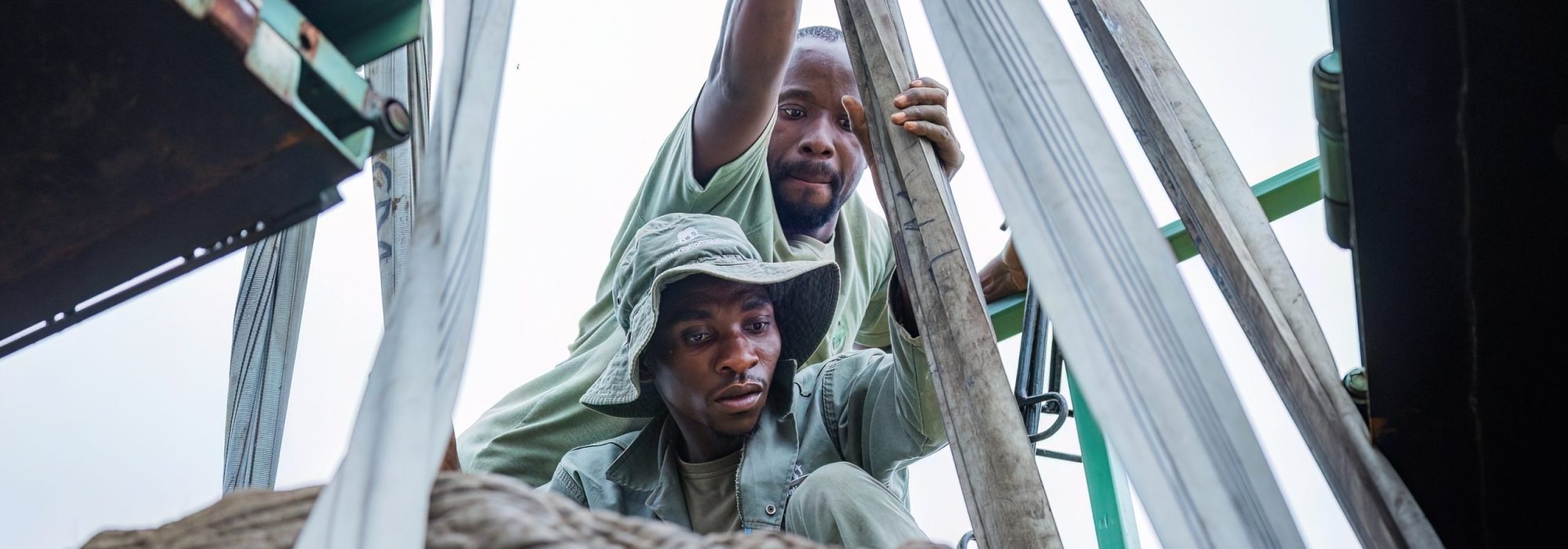
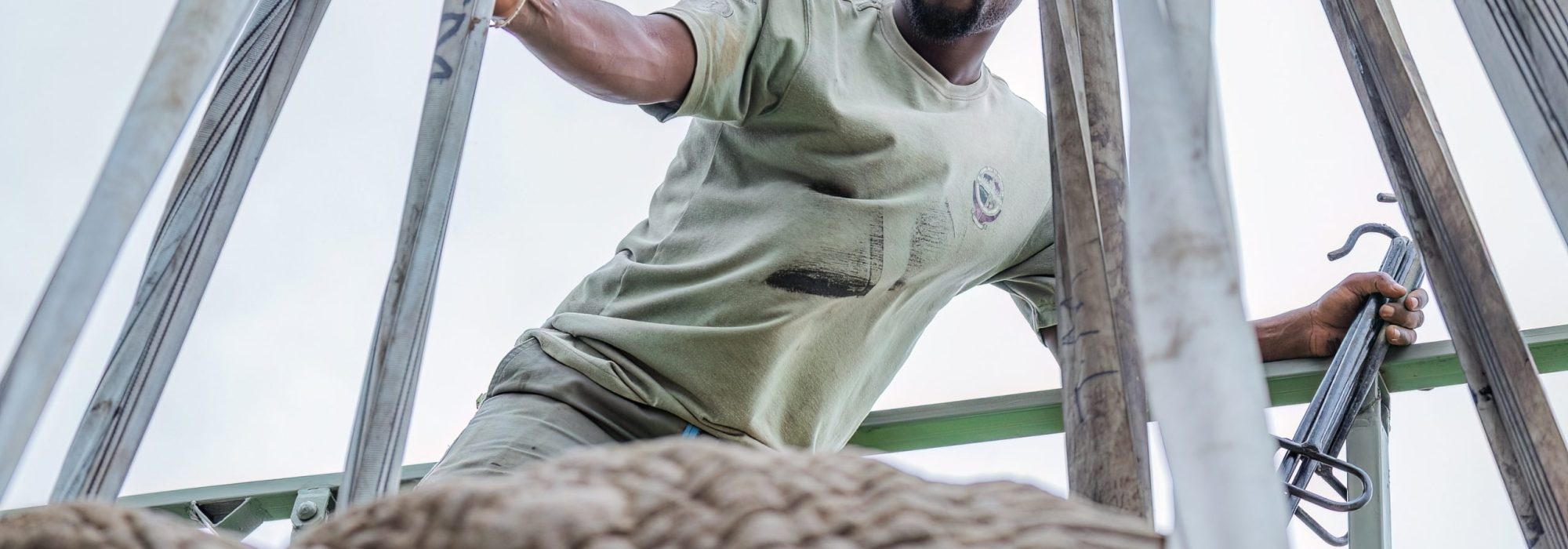
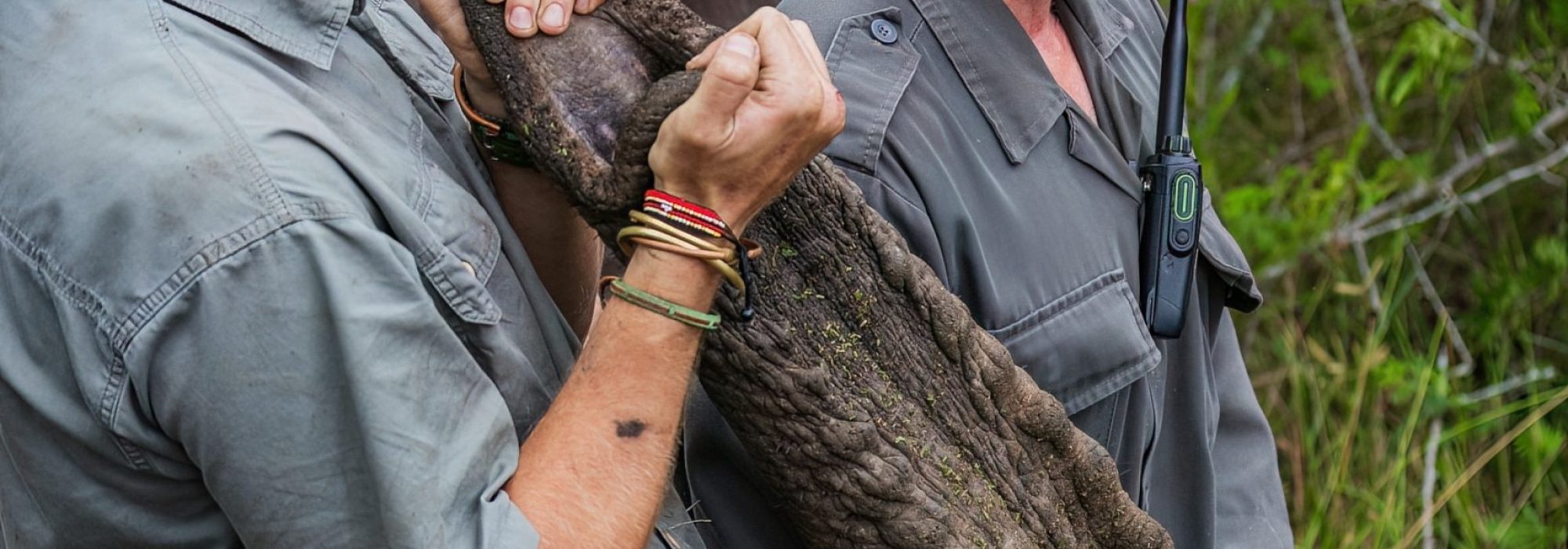
Once loaded, the elephants were transported in specialized crates designed and built by Conservation Solutions, with the team and Dr. Annie Mears monitoring them throughout the journey. The larger bull was fitted with a tracking collar so the team at Longhill can observe his movements and ensure successful integration with the existing herd.
“We specialize in providing turnkey solutions and responding to wildlife at risk and under pressure,” said Dereck Milburn, Managing Director of the Wildlife Emergency Fund. “By working with some of the best capture teams, veterinarians, and helicopter pilots across southern Africa, we’re able to mobilize quickly and provide solutions to difficult situations.”
Capture specialist Kester Vickery of Conservation Solutions highlighted the long-term collaboration behind operations like this.
“We’ve been working with the Wildlife Emergency Fund for the better part of ten years,” Vickery said. “They are incredible partners, and together we’re changing things one elephant herd at a time.”
Beverly Holden, a long-time supporter of the Wildlife Emergency Fund who has participated in numerous capture operations, added: “I’ve been working with Dereck and the Wildlife Emergency Fund for about five years now, and every year we’re just trying to do more operations and expand what we’re doing. Working in a corporate environment in the UK, coming back here and doing operations gives me such purpose.”
Gavin and Dr. Lynn Biggs, owners of Longhill Private Reserve, welcomed the arrival of the two bulls as a major milestone in the reserve’s rewilding journey.
“The arrival of these magnificent elephant bulls, carrying the Tembe genetics, marks an important turning point in our conservation efforts,” said Gavin Biggs. “Their presence does more than complete our founding herd; it enhances the genetic diversity and long-term viability of elephants in the Eastern Cape. We are particularly excited about the social stability that mature bulls bring, helping establish a balanced and natural hierarchy within the herd.”
Longhill Private Reserve is a 1,850-hectare private wildlife conservancy and eco-tourism destination in the Addo region of the Eastern Cape. Under the stewardship of Gavin and Dr. Lynn Biggs, the property has been transformed from a former cattle farm into a thriving conservation landscape dedicated to rewilding and sustainable hospitality.
“Our commitment to protecting this iconic species is unwavering,” Biggs added. “We are deeply grateful for the trust placed in Longhill by our conservation partners, and we look forward to watching these bulls settle into their new home and play their vital role in the ecosystem.”
